US President Donald Trump concluded a two-day summit with Chinese President Xi Jinping in Beijing, declaring that his patience with Iran is running out while emphasizing he did not ask China for favors on the matter. The high-stakes meeting, seen as a crucial test for US-China relations, addressed key contentious issues including Taiwan, trade relations, and Middle East tensions. The summit's outcomes remained largely symbolic, with limited concrete agreements despite extensive diplomatic pageantry.
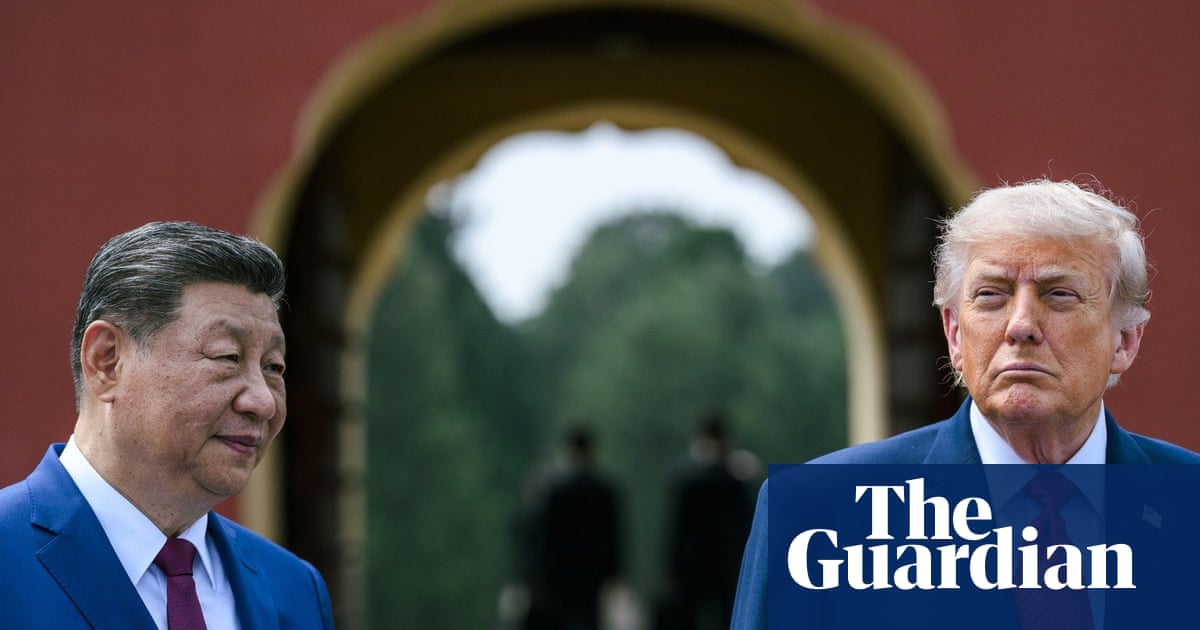
The summit took place against a backdrop of escalating geopolitical tensions. While Trump publicly stated his patience with Iran was wearing thin, Xi Jinping refrained from commenting publicly on their Iran discussions. However, China's foreign ministry issued a blunt statement expressing Beijing's frustration with the ongoing Iran conflict. Geopolitical analysts suggest China is benefiting from US actions in Iran, as this strengthens Beijing's regional position and influence.
On the Taiwan issue, Xi Jinping reportedly warned Trump that mismanagement of the situation could have serious consequences. Trump told reporters he made "no commitment either way" regarding future US weapons sales to Taiwan, a stance that has already drawn criticism from lawmakers in Washington. Congressional members are pressing Trump for continued military support for Taiwan, viewing his non-committal position as potentially weakening US security guarantees to the island democracy.
In economic discussions, both sides announced plans to establish a joint trade and investment board. China's foreign ministry described the talks as reaching "broadly balanced and positive results" in implementing agreements from previous consultations. However, specific details about new trade deals or economic commitments remained scarce. Political experts characterized the summit as more symbolic than substantive, with limited tangible outcomes despite the extensive diplomatic engagement.
Trump's respectful demeanor toward Xi Jinping throughout the meeting drew significant attention. The US President refused to call the Chinese leader a "dictator" and emphasized his respect for Xi, marking a notable shift from previous critical rhetoric about China. This approach has been criticized by former US diplomats as a sign of weakness. Former US Ambassador to China Nicholas Burns described Trump's "elaborate" praise of Xi as making America appear weak on the international stage.
Human rights issues appeared to take a backseat during the summit discussions. Although Trump had indicated before departing for Beijing that he would raise the case of imprisoned pro-democracy activist Jimmy Lai from Hong Kong, it remained unclear whether this actually occurred. This restraint on human rights matters represents a significant departure from traditional US diplomatic practice and has drawn criticism from advocacy groups.
The public interactions between the two leaders were marked by diplomatic courtesy and careful choreography. Even their initial handshake on the steps of the Great Hall of the People was analyzed by observers for power dynamics. The greeting - featuring five hand movements without Trump's characteristic pulling gesture - was interpreted as a sign of mutual respect and careful diplomatic protocol.
Upon returning from China, Trump faces critical decisions regarding Iran policy. Top aides have reportedly drafted battle plans as peace negotiations have stalled. Trump's statements about his diminishing patience are being interpreted as potential signals of an escalating US stance toward Iran, with significant implications for Middle East stability and global energy markets.
The summit's impact on Trump's domestic political base remains to be seen. Within the MAGA movement, there are varying perspectives on Trump's softer approach toward China. Some critics within conservative circles question whether this diplomatic stance aligns with previous tough rhetoric on China, while others support the pragmatic engagement approach.
China's strategic calculations appear focused on managing the relationship while protecting core interests. Beijing's public statements emphasized positive economic discussions while avoiding commitments on sensitive political issues. Chinese officials seem to view the summit as an opportunity to stabilize relations while maintaining their positions on Taiwan and other sovereignty issues.
The broader implications for US-China relations remain uncertain. While both sides spoke of successful talks and pledged "strategic stability," key questions about trade disputes, technology competition, and regional security remain unanswered. The lack of concrete agreements on major issues suggests that fundamental disagreements persist despite the diplomatic engagement.
Looking ahead, the summit's true significance may lie in what happens next rather than what was achieved during the meetings themselves. Trump's Iran policy decisions, congressional pressure on Taiwan support, and China's response to ongoing US policies will likely determine whether this diplomatic engagement translates into meaningful progress or remains primarily symbolic. The international community will be watching closely for signs of whether this summit marks a genuine shift toward cooperation or merely a temporary pause in escalating tensions between the world's two largest economies.
Fast take
US President Donald Trump concluded a two-day summit with Chinese President Xi Jinping in Beijing, declaring that his patience with Iran is running out while emphasizing he did not ask China for favors on the matter.
NOFRAME signal
Medium divergence · 14 Sources · 5 Regions
What remains open
Coverage is not fully split, but it is not identical either. That makes the comparison useful: the fact base shows the common core, while the perspectives show where political, regional, or institutional priorities change the emphasis.
Dossier compass
Which media spaces carry the story and how broad the source base is.
Source mix
Underlit angles
- Details on trade agreements
- Taiwan-specific discussions
- Criticism of Trump's China policy
Open originals
Go straight to the linked articles. NOFRAME does not replace those sources.
Why it matters
Coverage is not fully split, but it is not identical either. That makes the comparison useful: the fact base shows the common core, while the perspectives show where political, regional, or institutional priorities change the emphasis.
Timeline
CBS News · May 15, 2026 at 11:36 PM
What did Trump, Xi accomplish from China summit?
Channel News Asia · May 15, 2026 at 11:50 PM
Trump says he is losing patience with Iran, did not ask China for favours
CBS News · May 15, 2026 at 11:53 PM
Lawmakers press Trump for military support for Taiwan after Xi summit
Nikkei Asia · May 16, 2026 at 12:03 AM
Trump-Xi summit more symbol than substance, political experts say