A US Army Apache attack helicopter crashed near the strategically vital Strait of Hormuz, with both crew members successfully rescued and reported safe. President Donald Trump confirmed that the pilots were uninjured following the incident in the Iran-controlled waterway through which much of the world's oil passes. The cause of the crash remains unclear, with uncertainty over whether the helicopter was shot down by Iranian forces, experienced mechanical failure, or encountered other problems.
Trump addressed the incident on Tuesday, telling reporters that "the pilots are fine, nobody injured" and announced plans to issue a detailed report the following day. The New York Times had earlier reported on the rescue of the Apache crew after the gunship went down near the Iranian-controlled waterway. The incident represents a significant development given the strategic importance of the region and ongoing tensions between the United States and Iran.
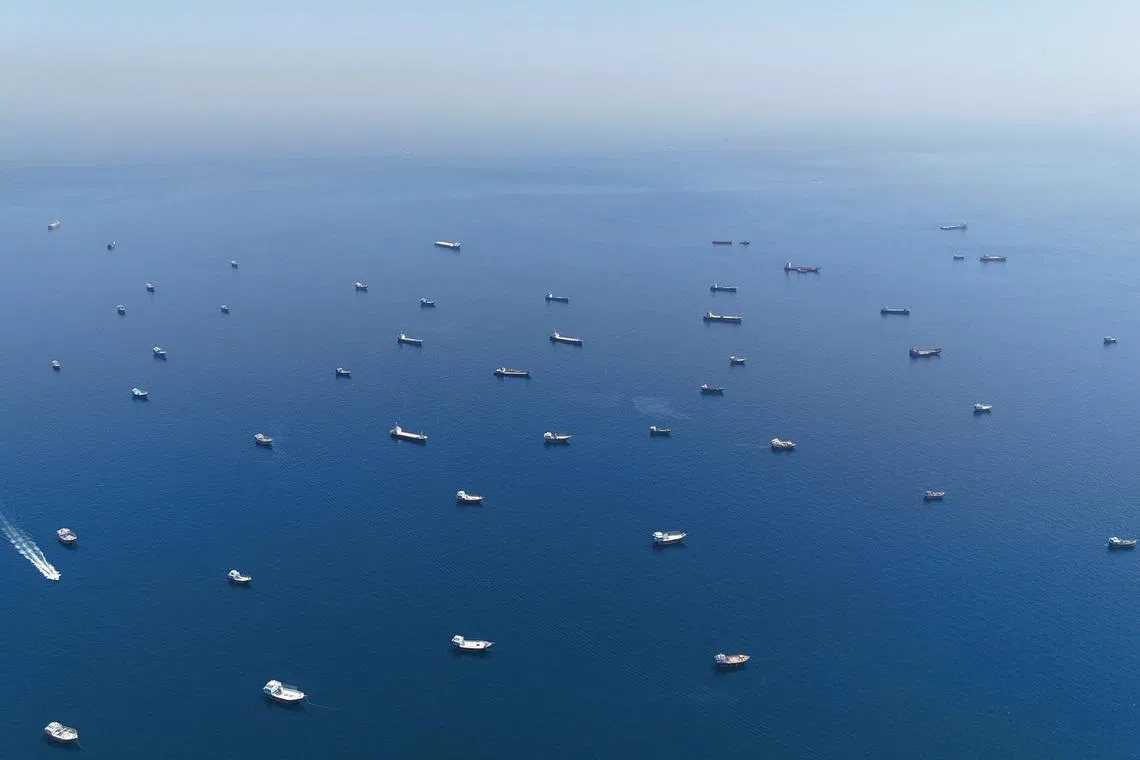
The Strait of Hormuz serves as one of the world's most critical shipping routes, with approximately one-fifth of globally traded oil passing through the narrow 33-kilometer waterway between Iran and the Arabian Peninsula. Iran has effectively restricted commercial shipping traffic through the strait, prompting increased US military operations in the region. The US Central Command has deployed Apache helicopters alongside MQ-9 Reaper drones and F/A-18 and F-35 fighter jets as part of operations challenging Iran's control over the waterway.
According to reports, this marks the first loss of an Apache gunship in the region. Apache helicopters are sophisticated US Army aircraft typically used for ground attack missions and close air support for ground forces. The successful rescue of both pilots suggests either rapid response by rescue forces or effective emergency procedures by the crew themselves. The fact that both crew members emerged uninjured from what could have been a catastrophic incident highlights the effectiveness of military rescue operations in the area.
The crash occurs against a backdrop of heightened regional tensions. Iran and Israel have exchanged attacks in recent days, further destabilizing an already fragile security situation in the Middle East. An existing ceasefire is considered increasingly tenuous, while diplomatic efforts to de-escalate tensions continue. The incident adds another layer of complexity to an already volatile regional dynamic.
Despite recent tensions, Trump expressed optimism about potential negotiations with Iran. The president has previously employed both harsh sanctions against Iran and signaled willingness for dialogue. The US military presence in the Strait of Hormuz forms part of a broader strategy to ensure free navigation in the region and limit Iranian influence over this crucial shipping lane.
Iranian state media acknowledged the crash while relying on foreign reporting, without providing additional details. This restrained approach is typical of Iranian coverage of US military activities in the region, often reporting cautiously on incidents that could be considered sensitive. The Iranian response, or lack thereof, may indicate either limited knowledge of the incident's details or a deliberate decision to avoid escalating tensions.
The exact circumstances surrounding the crash will likely be subject to thorough investigation. Military experts will need to analyze whether technical problems, hostile fire, or other factors led to the loss of the helicopter. The findings could have implications for future US operations in the region and may influence tactical decisions about helicopter deployments near Iranian-controlled areas.
The incident underscores the ongoing risks faced by US forces operating in one of the world's most geopolitically sensitive regions. While the successful rescue of the pilots can be viewed as a positive indicator of US military readiness and rescue capabilities, the crash also highlights the complex challenges facing American forces in the Strait of Hormuz. The narrow waterway's strategic importance ensures continued international attention on any military incidents in the area.
The promised release of an official report will provide additional clarity about the causes and potential consequences of the incident. Military analysts will be particularly interested in understanding whether the crash resulted from hostile action, which could significantly escalate tensions, or from technical or operational factors. The transparency of this report may also influence regional perceptions of US military capabilities and resolve in maintaining operations near Iranian territory.
This incident occurs during a particularly delicate period in Middle Eastern geopolitics, with multiple conflicts and tensions creating an unstable regional environment. The successful rescue operation demonstrates continued US military presence and capability in the region, while the crash itself serves as a reminder of the inherent risks in operating sophisticated military equipment in contested areas.
Fast take
A US Army Apache attack helicopter crashed near the strategically vital Strait of Hormuz, with both crew members successfully rescued and reported safe.
NOFRAME signal
Medium divergence · 13 Sources · 5 Regions
What remains open
Coverage is not fully split, but it is not identical either. That makes the comparison useful: the fact base shows the common core, while the perspectives show where political, regional, or institutional priorities change the emphasis.
Dossier compass
Which media spaces carry the story and how broad the source base is.
Source mix
Underlit angles
- Technical details of Apache helicopter
- Scope of US military operations in the region
- Detailed geopolitical context
Open originals
Go straight to the linked articles. NOFRAME does not replace those sources.
Why it matters
Coverage is not fully split, but it is not identical either. That makes the comparison useful: the fact base shows the common core, while the perspectives show where political, regional, or institutional priorities change the emphasis.
Timeline
Al-Monitor · June 9, 2026 at 06:36 AM
Trump says US helicopter pilots who went down in Strait of Hormuz are fine
The Hindu · June 9, 2026 at 07:01 AM
U.S. crew rescued after helicopter goes down near Strait Of Hormuz: report
Geo News · June 9, 2026 at 07:17 AM
Trump says pilots safe after US Army Apache goes down near Hormuz
The Independent · June 9, 2026 at 07:56 AM
US Apache helicopter crashes near the Strait of Hormuz