US President Donald Trump has dampened expectations for an imminent peace deal with Iran, instructing his negotiators not to rush into any agreement. The statement on Sunday contrasted with optimism expressed a day earlier about potential progress in talks to end the three-month-old conflict between the two nations.
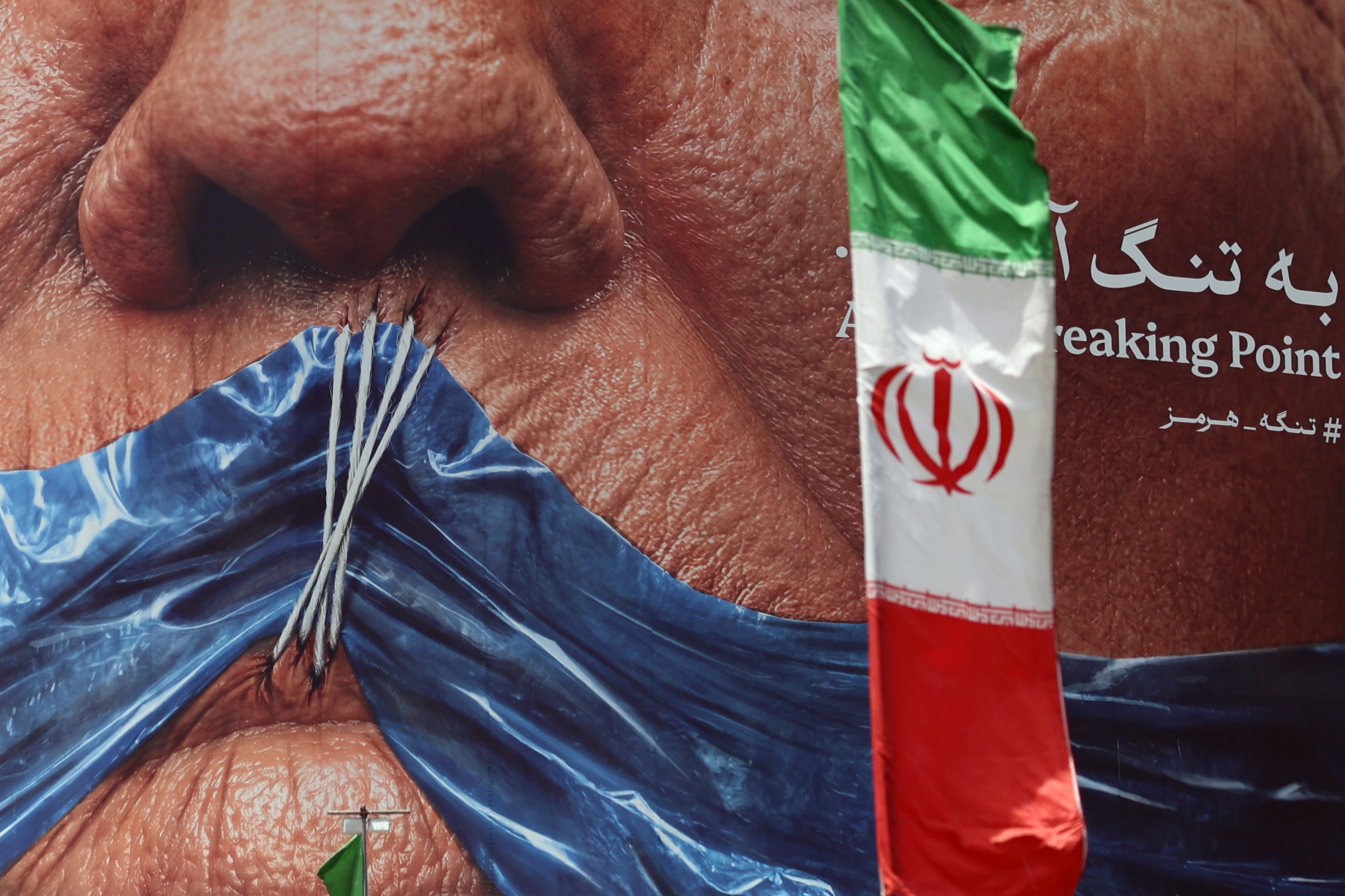
Trump emphasized that time was on America's side and that both parties needed to take the necessary time to reach a proper agreement. "There can be no mistakes," the president declared, adding that the US blockade of Iranian ports would remain in place until a final deal is signed. However, Trump acknowledged that talks were progressing constructively and that relations between the two countries had become more professional and productive.
The US-Iran conflict has now lasted three months, with a ceasefire observed since April 8 while international mediators push for a negotiated settlement. During this period, Iran has imposed controls on Gulf shipping in response to the American blockade, affecting global energy markets and supply chains.
On the Iranian side, President Masoud Pezeshkian indicated that the final decision on any agreement would rest with Supreme Leader Mojtaba Khamenei. Pezeshkian reiterated that Iran has no plans to develop nuclear weapons, a central issue in the negotiations. Iranian media reports suggest that disagreements persist over "two to three" clauses of a potential deal.
US Secretary of State Marco Rubio had previously expressed optimism, saying he expected "good news soon," which had raised hopes for an imminent breakthrough. However, these expectations were tempered by Trump's more cautious stance. According to reports, negotiators from both sides have already agreed on broad principles of a deal, including some of the thorniest issues that divide the two nations.
The uncertainty surrounding the negotiations has significantly impacted global markets. Oil prices fell to two-week lows after investors had been betting on an imminent agreement. Both Brent and WTI crude touched their lowest levels since May 7 during trading sessions. Paradoxically, Japan's stock market surged to record highs on hopes of ending the US-Israeli war on Iran.
The broader regional context of the conflict includes ongoing Israeli attacks on Lebanon, which have killed at least 3,111 people and injured 9,432 since March 2, according to the Lebanese Health Ministry. These developments highlight the complex geopolitical situation in the Middle East within which the US-Iranian negotiations are taking place.
Trump also warned Iran against developing nuclear weapons, making clear that this represents a red line for the United States. The nuclear issue remains one of the central points of contention in the ongoing talks, even as both sides have signaled willingness to compromise on various aspects of their relationship.
Details emerging about the potential agreement suggest it would address multiple areas of dispute between Washington and Tehran. However, the specific terms remain confidential as negotiations continue. Both sides appear committed to finding a comprehensive solution that addresses their core security concerns while allowing for normalized relations.
The economic implications of the prolonged uncertainty extend beyond energy markets. Regional trade routes through the Gulf have been disrupted by Iranian shipping controls, while the US blockade has affected Iran's ability to export oil and import essential goods. These economic pressures are seen as motivating factors for both sides to reach an agreement.
While negotiations continue, it remains unclear when a final agreement might be reached. Trump's emphasis that there is no rush suggests that talks could continue for weeks or even months before a deal is concluded. The president's cautious approach reflects the high stakes involved and the potential consequences of any agreement for regional stability and US domestic politics.
Fast take
US President Donald Trump has dampened expectations for an imminent peace deal with Iran, instructing his negotiators not to rush into any agreement.
NOFRAME signal
Stable coverage · 11 Sources · 4 Regions
What remains open
The source picture is relatively consistent. That still makes the details worth reading: small differences in wording, omissions, and source selection can reveal what each region treats as important.
Dossier compass
Which media spaces carry the story and how broad the source base is.
Source mix
Underlit angles
- Trump's domestic political motives for delayed stance
- Details about US blockade measures
- Political details of negotiations
Open originals
Go straight to the linked articles. NOFRAME does not replace those sources.
Why it matters
The source picture is relatively consistent. That still makes the details worth reading: small differences in wording, omissions, and source selection can reveal what each region treats as important.
Timeline
Dawn · May 25, 2026 at 03:22 AM
Final paperwork eludes Iran, US
The Independent · May 25, 2026 at 03:32 AM
Iran-US war latest: Trump says he will ‘not be rushed’ into peace deal as he warns Tehran over nuclear weapons
Nikkei Asia · May 25, 2026 at 04:03 AM
Japan stocks hit new intraday high as investors bet on Iran deal
Daily Maverick · May 25, 2026 at 04:33 AM
Trump says there is no rush for Iran deal, US blockade stays