Israel and Iran exchanged direct military strikes on Monday for the first time since an April ceasefire, breaking a fragile two-month truce that had paused five weeks of warfare between the two nations. Iran fired dozens of rockets at Israeli territory overnight, prompting Israel to respond with attacks on Iranian military installations and a petrochemical plant. US President Donald Trump called on both sides to immediately stop the attacks and later claimed both countries were seeking an immediate ceasefire.
The escalation began when Iran launched approximately ten ballistic missiles at northern Israel in response to an Israeli attack on a target in southern Beirut. Iranian state media reported explosions in several Iranian cities, including Tehran, Isfahan, Karaj, and Tabriz. Israel confirmed conducting large-scale strikes on strategic defense systems across Iran. Reports indicated that a petrochemical plant was also hit, though no casualties were reported in Iran's Hamadan Province.
Trump responded swiftly to the developments, writing on his Truth Social platform: "Israel and Iran must immediately stop 'shooting'." He later claimed both sides were seeking an immediate ceasefire and that final peace negotiations were proceeding. However, he warned these could still be derailed by "ignorance or stupidity." Trump announced that a blockade would remain in place until a final deal was reached.
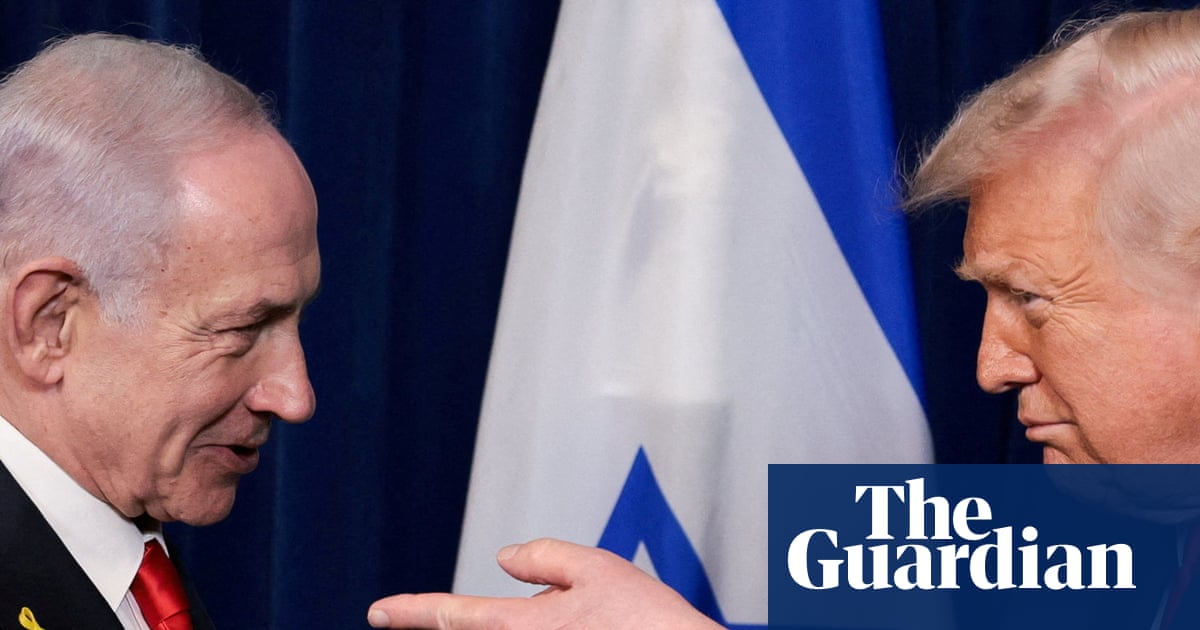
The attacks represent a direct challenge to Trump's authority, as reports indicated the US president had previously spoken with Israeli Prime Minister Benjamin Netanyahu and urged restraint. Netanyahu proceeded with the strikes nonetheless, leading critics to describe this as a humiliation for Trump. In a recent interview, Trump had claimed that he, not Netanyahu, "calls all the shots" in policy decisions.
The conflict has its roots in ongoing tensions over Lebanon. Iran characterized Israeli attacks on Beirut and continued strikes on southern Lebanon as crossing red lines. Lebanon's Prime Minister revealed that Israel had bombed Lebanon nearly 3,500 times during the ceasefire period. These continued attacks had been a source of tension throughout the entire truce period.
Iran's armed forces announced an end to their military operations against Israel on Monday but warned of harsher retaliation if Israel continued its attacks on Lebanon. A spokesperson for Iran's Khatam al-Anbiya Central Headquarters stated that Israel had crossed all red lines by expanding attacks in southern Lebanon and targeting Beirut's Dahieh district.
Markets reacted nervously to the escalation, with oil prices rising nearly five percent and benchmark Brent crude climbing back above $97 per barrel. The rising energy prices threaten to stoke inflation as markets brace for what could be several days of continued conflict. The Israel Defense Forces stated they were preparing for "at least several days of conflict."
The international community expressed concern over the developments. Spain's Foreign Minister condemned the breakdown of the ceasefire and emphasized there was no military solution to the Iran-Israel conflict. The escalation also complicates US-led efforts to broker a broader deal with Iran, adding pressure to diplomatic channels that were already strained.
Tehran accused Israel of fully coordinating the strikes with the United States, though Washington's exact role remains unclear. The Iranian Foreign Ministry also criticized the International Atomic Energy Agency Director General's approach to Iran as "political and irresponsible," suggesting broader diplomatic tensions beyond the immediate military conflict.
The current events raise questions about the future of peace efforts in the region. Trump claimed Netanyahu would have "no choice" but to accept a potential US-Iran agreement, though the Israeli leader's willingness to proceed with strikes despite American pressure suggests otherwise. Whether Iran's announced end to military operations will actually lead to de-escalation or if further retaliatory strikes will follow remains to be seen. The situation remains volatile as both sides have demonstrated their military capabilities and diplomatic channels face enormous pressure to prevent a return to full-scale warfare.
Fast take
Israel and Iran exchanged direct military strikes on Monday for the first time since an April ceasefire, breaking a fragile two-month truce that had paused five weeks of warfare between the two nations.
NOFRAME signal
Medium divergence · 21 Sources · 5 Regions
What remains open
Coverage is not fully split, but it is not identical either. That makes the comparison useful: the fact base shows the common core, while the perspectives show where political, regional, or institutional priorities change the emphasis.
Dossier compass
Which media spaces carry the story and how broad the source base is.
Source mix
Underlit angles
- Detailed analysis of economic impacts
- Specific military casualties or damage assessments
- Trump's diplomatic role and statements
Open originals
Go straight to the linked articles. NOFRAME does not replace those sources.
Why it matters
Coverage is not fully split, but it is not identical either. That makes the comparison useful: the fact base shows the common core, while the perspectives show where political, regional, or institutional priorities change the emphasis.
Timeline
The Guardian · June 8, 2026 at 11:28 AM
Netanyahu orders Iran strikes despite Trump claiming ‘I call all the shots’ First Thing
Channel News Asia · June 8, 2026 at 11:31 AM
Iran announces end of military operations against Israel
India Today · June 8, 2026 at 11:53 AM
Iran halts military action against Israel, warns of tougher response if Lebanon strikes continue
CBS News · June 8, 2026 at 11:56 AM
Trump tells Iran and Israel to "stop 'shooting'" as strikes strain truce