President Donald Trump announced plans to temporarily suspend the federal gas tax in response to soaring fuel prices caused by the ongoing US-Israel war against Iran. Speaking to reporters on Monday, Trump said his administration would look to pause the tax "till it's appropriate" as American drivers face mounting costs at the pump.
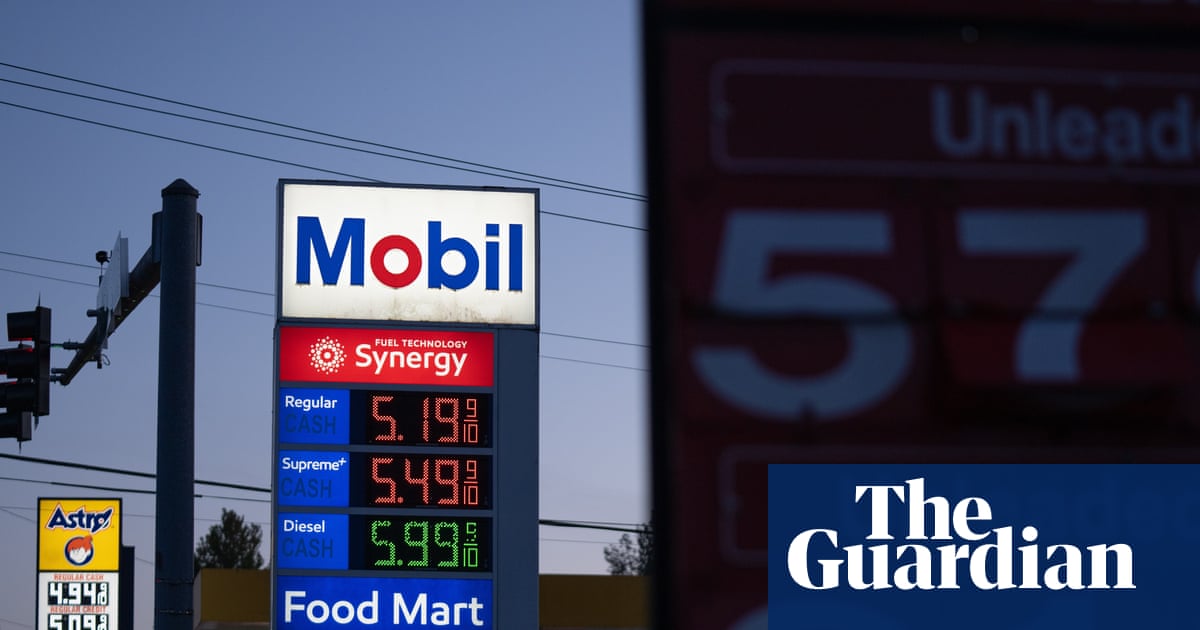
Gas prices have surged by well over a dollar per gallon since late February when US and Israeli forces launched their military campaign against Iran. The national average has reached four-year highs, creating significant financial pressure on American consumers who rely on personal vehicles for daily transportation. The sharp increase directly correlates with disruptions to global oil markets caused by the conflict.
However, implementing Trump's proposal faces substantial procedural hurdles. Suspending the federal gas tax requires an act of Congress, which could lead to significant delays before any relief reaches consumers. The legislative process involves multiple steps and potential political negotiations that could extend the timeline considerably.
Even if Congress approves the suspension, experts note that dropping federal taxes would provide only partial relief. The federal gas tax represents a fraction of the total price increase drivers have experienced since the war began. The measure would not fully compensate for the steep rise in underlying oil prices driven by market uncertainty and supply concerns.
The surge in fuel prices represents a considerable political risk for Trump's Republican Party ahead of the upcoming midterm elections. Historically, gas prices serve as a key indicator of economic sentiment among voters, with high prices often translating to electoral challenges for the incumbent party. The economic impact of the Iran conflict could therefore influence the political landscape significantly.
Trump also addressed recent diplomatic developments, characterizing Iran's latest peace proposal as "a bad proposal done by people that have no clue as to the danger they're in." This assessment suggests that diplomatic resolution remains elusive, indicating that energy market disruptions may continue for the foreseeable future.
The conflict has created substantial volatility in global oil markets. Uncertainty about energy supplies and potential escalation has led to price fluctuations that directly impact American consumers. The strategic importance of the Middle East region for global oil production amplifies these effects, as markets react to any developments that could affect supply chains.
Beyond immediate impacts on drivers, sustained high energy prices could have broader economic consequences. Increased transportation costs typically affect the prices of goods and services throughout the economy, potentially contributing to general inflation. This ripple effect could extend the economic impact of the conflict beyond the energy sector.
The gas tax suspension proposal also raises questions about energy policy approaches. While the measure could provide short-term consumer relief, long-term solutions remain tied to the resolution or de-escalation of the military conflict. The administration faces the challenge of balancing immediate economic pressures with broader strategic considerations.
Industry analysts continue monitoring the situation closely, as further developments in the conflict could lead to additional price volatility. The interconnected nature of global energy markets means that regional conflicts can have far-reaching economic implications, affecting consumers thousands of miles from the actual fighting.
The coming weeks will be crucial in determining both the trajectory of fuel prices and the political response to the economic pressures facing American consumers. The intersection of foreign policy decisions and domestic economic impacts highlights the complex challenges facing the Trump administration as it navigates both military and economic considerations.
Fast take
President Donald Trump announced plans to temporarily suspend the federal gas tax in response to soaring fuel prices caused by the ongoing US-Israel war against Iran.
NOFRAME signal
Stable coverage · 5 Sources · 3 Regions
What remains open
The source picture is relatively consistent. That still makes the details worth reading: small differences in wording, omissions, and source selection can reveal what each region treats as important.
Dossier compass
Which media spaces carry the story and how broad the source base is.
Source mix
Underlit angles
- Political risks for Republicans in midterms
- Trump's comments on Iran's peace proposal
- Details about Congressional procedural hurdles
Open originals
Go straight to the linked articles. NOFRAME does not replace those sources.
Why it matters
The source picture is relatively consistent. That still makes the details worth reading: small differences in wording, omissions, and source selection can reveal what each region treats as important.
Timeline
NY Times World · May 11, 2026 at 07:02 PM
Trump Proposes Suspending Federal Gas Tax Until Prices Fall
Al Jazeera · May 11, 2026 at 08:59 PM
Trump says he will suspend petrol tax amid soaring US fuel prices
Straits Times · May 11, 2026 at 11:25 PM
Trump says he supports suspending US gas tax with prices remaining high amid Iran war
CBS News · May 11, 2026 at 11:28 PM
Trump wants to suspend gas tax amid high prices due to war with Iran