US President Donald Trump concluded his two-day state visit to China on Friday, May 15, 2026, after intensive talks with Chinese President Xi Jinping covering trade relations and bilateral cooperation. The visit, which combined ceremonial elements with substantive political discussions, ended with mixed signals about the state of US-China relations.
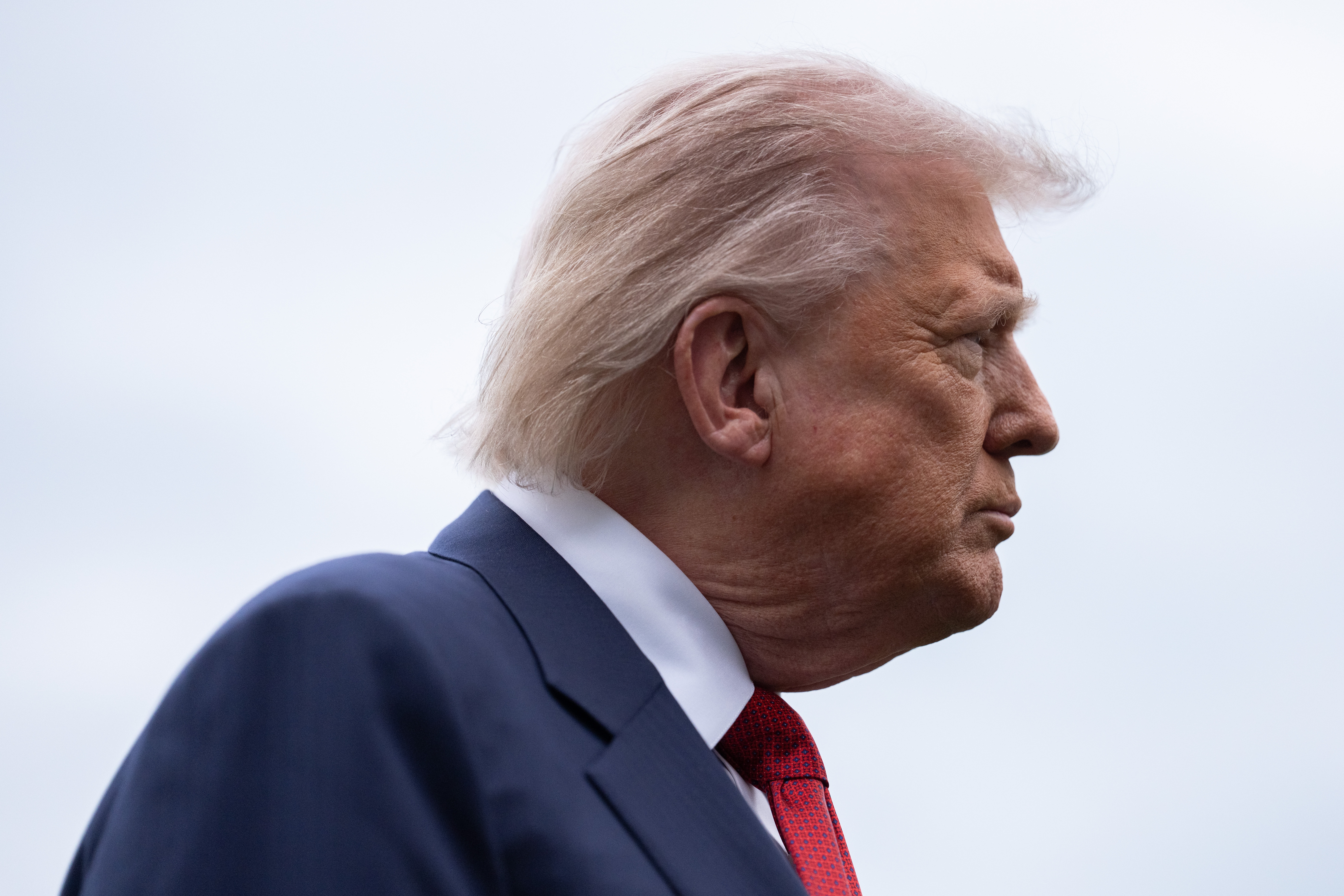
The talks took place at Zhongnanhai, a heavily guarded government compound in Beijing where China's top officials live and work. Trump described Xi as "all business" and expressed hope in a Truth Social post that the relationship between Washington and China could become "stronger and better than ever before." These optimistic statements, however, contrasted with tensions that emerged during discussions over Taiwan.
According to reports, Xi Jinping issued stern warnings to his American counterpart about mishandling the Taiwan issue, suggesting it could send bilateral relations into a downward spiral. Taiwan remains one of the most sensitive flashpoints between the two superpowers, as China considers the democratically governed island part of its territory while the US provides military support to Taiwan.
In the trade sector, there were positive developments. China made a significant goodwill gesture by approving export licenses for hundreds of American slaughterhouses to resume beef shipments, ending a 15-month ban. This decision was interpreted as a sign of China's willingness to remove trade barriers and improve economic relations.
The International Monetary Fund welcomed the constructive talks between Trump and Xi, emphasizing that reduced US-China tensions would have positive effects on the global economy. The IMF reiterated its support for dialogue between the world's two largest economies, as their relationship has significant implications for global trade flows, supply chains, and economic stability.
Both sides appeared eager to frame the visit as a diplomatic success. While Trump expressed hopes for improved relations, Chinese media emphasized the importance of dialogue and cooperation. However, the reality of the talks points to the ongoing complexity of US-China relations, which encompass both opportunities for cooperation and strategic competition.
The visit took place against the backdrop of a changing geopolitical landscape where both countries compete for influence across various regions. The discussions over Taiwan highlight the challenges of managing territorial disputes and security issues in East Asia, while trade agreements demonstrate the potential for economic cooperation despite political differences.
The outcomes of this summit could have far-reaching implications for international politics. Stabilization of US-China relations could contribute to global economic recovery and reduce regional tensions. At the same time, fundamental disagreements over Taiwan, trade practices, and strategic competition remain, which could influence future relations.
The meetings featured both formal diplomatic protocols and business-focused discussions, reflecting the multifaceted nature of the relationship between the world's two largest economies. Trump's characterization of Xi as focused on business suggests that economic considerations played a significant role in the talks, even as political tensions over Taiwan cast a shadow over proceedings.
Analysts will closely monitor the coming weeks and months to see whether agreements reached during the visit translate into concrete policy changes and whether both sides can bridge their differences on critical issues like Taiwan. The restoration of beef trade represents a tangible outcome that could serve as a model for resolving other trade disputes.
The visit's conclusion marks another chapter in the complex relationship between Washington and Beijing, one that continues to shape global politics, economics, and security arrangements. As both countries navigate their strategic competition while seeking areas of mutual benefit, the international community watches closely for signs of either escalation or cooperation that could affect worldwide stability and prosperity.
Fast take
US President Donald Trump concluded his two-day state visit to China on Friday, May 15, 2026, after intensive talks with Chinese President Xi Jinping covering trade relations and bilateral cooperation.
NOFRAME signal
Stable coverage · 7 Sources · 4 Regions
What remains open
The source picture is relatively consistent. That still makes the details worth reading: small differences in wording, omissions, and source selection can reveal what each region treats as important.
Dossier compass
Which media spaces carry the story and how broad the source base is.
Source mix
Underlit angles
- Specific details about Taiwan warnings
- Concrete trade outcomes
- Detailed economic implications
Open originals
Go straight to the linked articles. NOFRAME does not replace those sources.
Why it matters
The source picture is relatively consistent. That still makes the details worth reading: small differences in wording, omissions, and source selection can reveal what each region treats as important.
Timeline
NY Times World · May 15, 2026 at 03:51 AM
What is Zhongnanhai, the Secretive Beijing Compound Where Trump Met Xi?
Geo News · May 15, 2026 at 03:58 AM
Superpower dynamics
Nikkei Asia · May 15, 2026 at 04:03 AM
Trump and Xi aim to nail down results in second day of talks
Daily Maverick · May 15, 2026 at 04:55 AM
Trump and Xi set for second day of talks after Taiwan warning