US military forces have conducted another strike on an alleged drug trafficking vessel in the eastern Pacific Ocean, killing two people in the latest incident of what has become an increasingly frequent military operation against suspected narcotics smugglers.
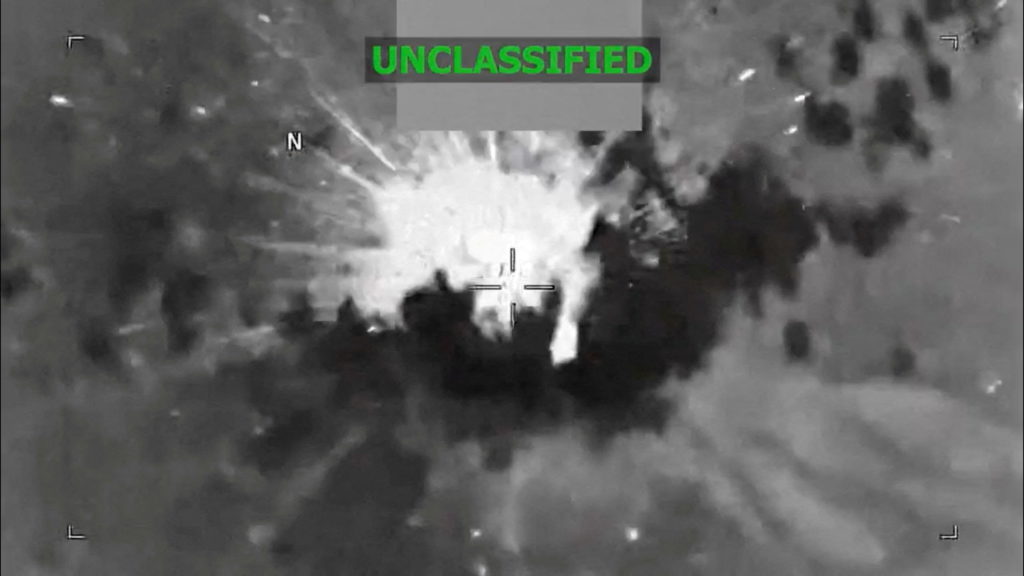
According to multiple media reports, this latest attack brings the total death toll from US military boat strikes to at least 207 people since September. The frequency of such operations has markedly increased in recent weeks, with several incidents reported in quick succession across Pacific and Caribbean waters.
The US military justifies these strikes as necessary measures in the fight against international drug trafficking networks. The operations target vessels suspected of transporting narcotics through Pacific and Caribbean shipping routes. Military officials describe the targeted boats as being engaged in "narco-trafficking operations."
However, concerns are mounting among legal experts and human rights organizations regarding the legality of these strikes. Critics argue that the military attacks may constitute extrajudicial killings, as crew members are killed without due process or trial. The legal framework governing these operations in international waters remains contentious.
The vessels are typically described as "alleged" drug transporters, raising questions about the verification process used by the US military to identify legitimate targets. It remains unclear what evidence or intelligence information underlies these strikes, and what procedures are followed to confirm the vessels' involvement in drug trafficking.
The operations appear to be coordinated efforts involving various US military assets operating in Pacific and Caribbean waters. The specific military units involved and the weapons systems used are not detailed in available reports, though the strikes appear to be conducted with lethal force as a primary option rather than interdiction or boarding.
The dramatic increase in casualties - from zero to over 200 in a matter of months - suggests either an intensification or a change in US military tactics in counter-narcotics operations. This development has drawn international attention to American methods in drug enforcement and raised questions about proportionality in military responses.
Legal experts are calling for greater transparency regarding the legal frameworks governing these military operations. Questions remain about coordination with other nations whose territorial waters may be affected, and about the long-term implications for international maritime law and sovereignty.
The rising death toll also raises questions about the effectiveness of this tactical approach in combating international drug trafficking. Critics question whether military strikes on individual transport vessels can have a sustainable impact on larger drug trafficking networks, which typically operate with numerous vessels and alternative routes.
Human rights organizations have specifically highlighted concerns about the lack of accountability mechanisms and the absence of independent verification of the military's claims about the targeted vessels. The strikes occur in remote ocean areas where independent monitoring is difficult, making verification of the military's accounts challenging.
The frequency and lethality of these operations mark a significant escalation in US military involvement in counter-narcotics efforts, traditionally handled primarily by coast guard and law enforcement agencies rather than military forces.
Fast take
US military forces have conducted another strike on an alleged drug trafficking vessel in the eastern Pacific Ocean, killing two people in the latest incident of what has become an increasingly frequent military operation against suspected narcotics smugglers.
NOFRAME signal
Stable coverage · 5 Sources · 3 Regions
What remains open
The source picture is relatively consistent. That still makes the details worth reading: small differences in wording, omissions, and source selection can reveal what each region treats as important.
Dossier compass
Which media spaces carry the story and how broad the source base is.
Source mix
Underlit angles
- Legal concerns from experts
- Criticism of extrajudicial killings
- US military justification for operations
Open originals
Go straight to the linked articles. NOFRAME does not replace those sources.
Why it matters
The source picture is relatively consistent. That still makes the details worth reading: small differences in wording, omissions, and source selection can reveal what each region treats as important.
Timeline
Globe and Mail · June 4, 2026 at 12:59 AM
U.S. military strikes boat in eastern Pacific, killing two
The Independent · June 4, 2026 at 01:25 AM
Two killed in latest US military strike on alleged drug boat in eastern Pacific
TRT World · June 4, 2026 at 01:48 AM
US strike on alleged drug boat in eastern Pacific kills 2
Straits Times · June 4, 2026 at 02:39 AM
US boat strike kills two on alleged drug-smuggling vessels in eastern Pacific