The United Nations has doubled its humanitarian aid appeal for Lebanon to $821 million as the country faces a deepening crisis amid ongoing conflict between Israel and the Iranian-backed Hezbollah militia. The dramatic increase in the funding request reflects the surge in humanitarian needs as the war enters its fourth month.
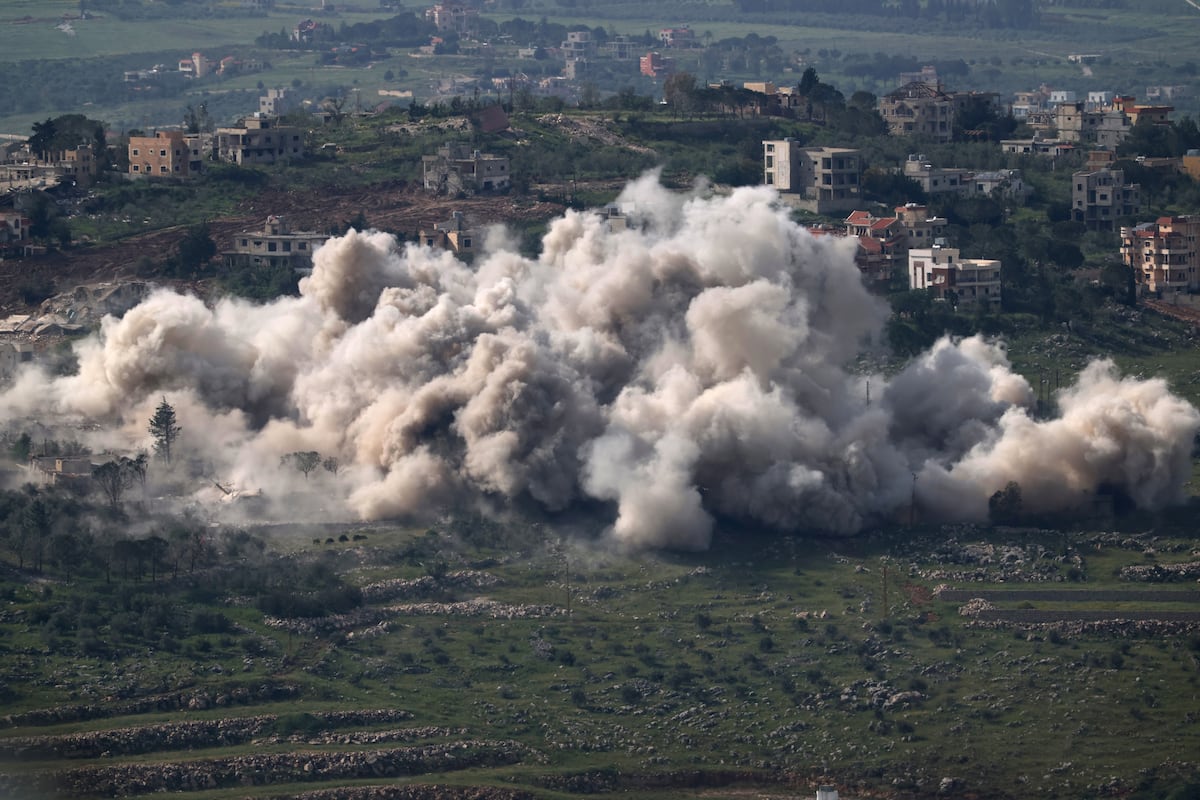
The conflict began in early March when Hezbollah fired rockets at Israel in solidarity with Iran, which was under U.S.-Israeli attack at the time. Israel responded with a major air and ground campaign primarily targeting southern Lebanon, where Hezbollah maintains significant military infrastructure and political influence.
Three months into the war, UN officials warn that a humanitarian catastrophe is looming in Lebanon. Approximately 1.4 million people now need humanitarian assistance, representing roughly a quarter of the country's total population. Imran Riza, the UN's resident humanitarian coordinator for Lebanon, described the situation as "appalling" during a press briefing in Geneva.
The scale of destruction has been devastating. Israel's offensive has resulted in approximately 2,900 deaths and destroyed an estimated 36,000 homes across the country. Perhaps most dramatically, 1.4 million people have been displaced from their homes, creating a massive internal refugee crisis that has overwhelmed the country's capacity to provide shelter and basic services.
Southern Lebanon has borne the brunt of the military operations, with Israeli forces conducting both airstrikes and ground operations aimed at dismantling Hezbollah's military capabilities. The civilian population in these areas has been caught in the crossfire, with many communities facing severe shortages of food, medical supplies, and other essential goods.
The UN's revised appeal seeks $821 million over six months to reach all 1.4 million people estimated to need humanitarian aid. The funding will support emergency food assistance, medical care, temporary shelter, and other life-saving interventions. International donors are being urged to respond quickly and generously to prevent further deterioration of the humanitarian situation.
Hezbollah, considered one of the world's most powerful non-state armed groups, possesses an extensive arsenal of rockets and other weapons. The organization operates as both a political party and militia, maintaining significant influence in Lebanese politics while receiving substantial support from Iran as part of Tehran's regional proxy network.
The conflict has exacerbated Lebanon's existing challenges, as the country was already grappling with a severe economic crisis and political instability before the current hostilities began. The Lebanese government, weakened by years of economic turmoil and political dysfunction, has struggled to respond effectively to the humanitarian emergency.
The broader regional implications of the conflict extend beyond Lebanon's borders, as it represents part of the ongoing tensions between Iran and its proxies on one side, and Israel and its allies on the other. The escalation has raised concerns about the potential for wider regional conflict involving other Iranian-backed groups and neighboring countries.
Humanitarian organizations operating in Lebanon report increasing difficulties in accessing affected populations, particularly in southern regions where active combat operations continue. The destruction of infrastructure, including roads, hospitals, and schools, has complicated relief efforts and raised concerns about the long-term recovery process.
Experts warn that even if hostilities were to end immediately, Lebanon would face years of reconstruction and recovery. The massive displacement of population, destruction of homes and infrastructure, and economic disruption will require sustained international support and significant financial resources to address effectively.
Fast take
The United Nations has doubled its humanitarian aid appeal for Lebanon to $821 million as the country faces a deepening crisis amid ongoing conflict between Israel and the Iranian-backed Hezbollah militia.
NOFRAME signal
High divergence · 3 Sources · 3 Regions
What remains open
This matters because the event itself is only part of the story. 3 media regions frame it with noticeably different priorities. Details that remain stable across those boundaries are more robust; details that appear in only one region need context.
Dossier compass
Which media spaces carry the story and how broad the source base is.
Source mix
Underlit angles
- Details of Hezbollah attacks on Israeli targets
- Israeli security concerns
- Detailed war causes
Open originals
Go straight to the linked articles. NOFRAME does not replace those sources.
Why it matters
This matters because the event itself is only part of the story. 3 media regions frame it with noticeably different priorities. Details that remain stable across those boundaries are more robust; details that appear in only one region need context.
Timeline
El País English · June 5, 2026 at 07:45 AM
Israel's offensive in southern Lebanon: 2,900 dead, 36,000 homes destroyed and 1.4 million displaced
Straits Times · June 5, 2026 at 08:56 AM
UN doubles appeal for Lebanon aid to $821 million amid Israel war
Al-Monitor · June 5, 2026 at 09:00 AM
UN doubles appeal for Lebanon aid to nearly $640 mn amid Israel war
Al-Monitor · June 5, 2026 at 09:01 AM
UN doubles Lebanon aid appeal as war drives surge in humanitarian needs