The International Atomic Energy Agency (IAEA) has issued a confidential report to member states expressing serious concerns about its compromised ability to monitor Iran's nuclear program following military strikes on Iranian nuclear facilities in June 2025. The report, distributed on Thursday, documents the challenging situation facing international nuclear oversight in the aftermath of the attacks.
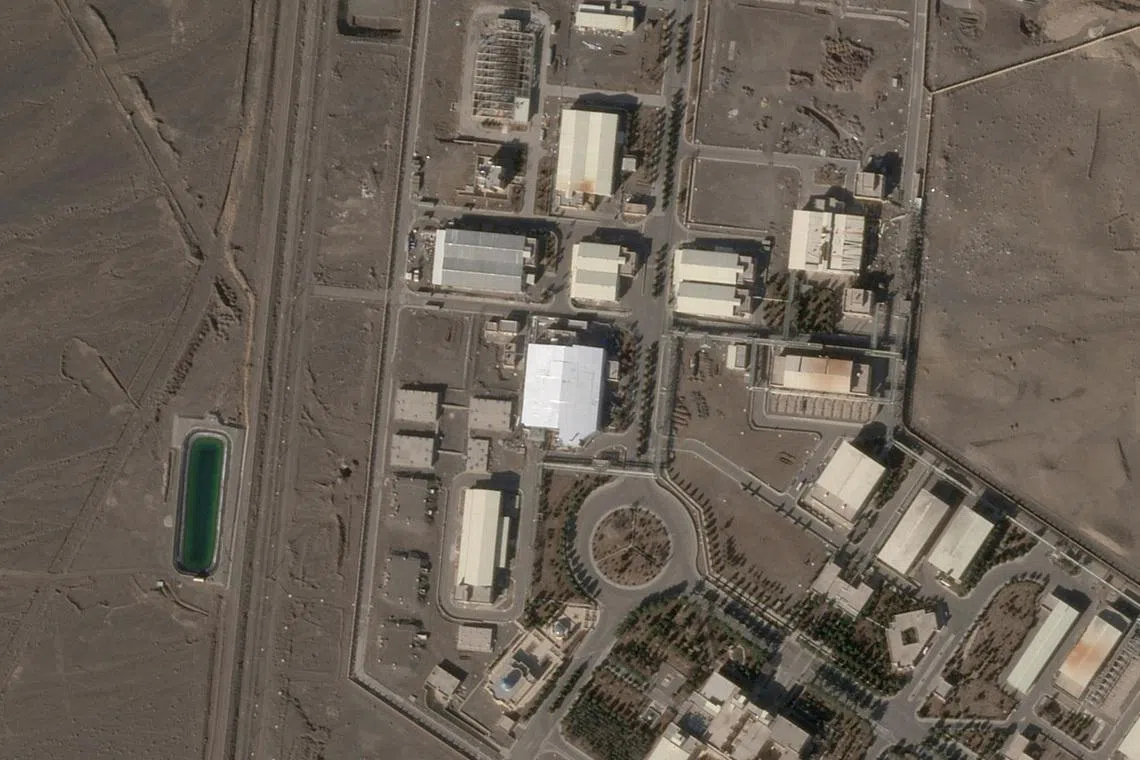
Since the strikes, the UN nuclear watchdog has lost access to key Iranian nuclear installations and can no longer fully track the country's enriched uranium stockpiles. This represents a significant setback for international nuclear monitoring and raises new questions about transparency in Iran's atomic program.
According to IAEA data, Iran possessed approximately 440 kilograms of uranium enriched to 60 percent purity before the military strikes occurred. This enrichment level is concerningly close to the 90 percent threshold required for weapons-grade material. The exact quantity and whereabouts of this material since the attacks remain unclear, intensifying international proliferation concerns.
The IAEA Director General has urgently called upon Iran to cooperate fully and ensure effective implementation of the Non-Proliferation Treaty Safeguards Agreement. The organization emphasizes that it is "indispensable and urgent" to resume comprehensive inspections and provide transparency regarding the fate of nuclear materials.
The military strikes were reportedly carried out by US-Israeli forces with the stated objective of preventing Iran from developing nuclear weapons. These operations marked a significant escalation in longstanding tensions over Iran's nuclear program and led to a three-month period of intensive military confrontation in the region.
The current IAEA report represents the first comprehensive assessment since February, covering a period of substantial geopolitical upheaval. Despite the military interventions, the report shows no major changes in the fundamental assessment of Iran's nuclear program, raising questions about the effectiveness of the military measures.
The IAEA's constrained monitoring capabilities have triggered international concern. Experts warn that the loss of inspection access could increase the risk of covert nuclear activities. The situation also complicates efforts by the international community to verify Iran's compliance with international nuclear agreements.
The Iranian government has not yet publicly responded to the latest IAEA demands. The country has historically argued that its nuclear program serves exclusively peaceful purposes, while Western governments and Israel have expressed concerns about possible military dimensions.
This development occurs against the backdrop of broader regional tensions and ongoing diplomatic efforts to address Iran's nuclear activities. The strikes and their aftermath have complicated international diplomatic initiatives and raised questions about the future of nuclear negotiations with Iran.
The loss of IAEA access represents a critical gap in the international nuclear monitoring system. The agency's ability to provide credible assessments of Iran's nuclear activities depends heavily on regular inspections and continuous monitoring of nuclear facilities and materials.
International observers are closely watching for Iran's response to the IAEA's calls for cooperation. The country's willingness to restore full access to its nuclear facilities will be seen as a key indicator of its commitment to international nuclear transparency and non-proliferation obligations.
The current crisis underscores the challenges of maintaining international nuclear oversight in conflict zones and raises fundamental questions about the future of nuclear non-proliferation in the Middle East. The situation's resolution will be crucial for regional stability and global efforts to prevent nuclear weapons proliferation.
Fast take
The International Atomic Energy Agency (IAEA) has issued a confidential report to member states expressing serious concerns about its compromised ability to monitor Iran's nuclear program following military strikes on Iranian nuclear facilities in June 2025.
NOFRAME signal
Stable coverage · 6 Sources · 4 Regions
What remains open
The source picture is relatively consistent. That still makes the details worth reading: small differences in wording, omissions, and source selection can reveal what each region treats as important.
Dossier compass
Which media spaces carry the story and how broad the source base is.
Source mix
Underlit angles
- Details about execution of military strikes
- Assessment of strike effectiveness
- Specific proliferation risks
Open originals
Go straight to the linked articles. NOFRAME does not replace those sources.
Why it matters
The source picture is relatively consistent. That still makes the details worth reading: small differences in wording, omissions, and source selection can reveal what each region treats as important.
Timeline
TRT World · June 4, 2026 at 03:13 PM
UN nuclear watchdog raises 'proliferation' alarm over lack of access in Iran
India Today · June 4, 2026 at 03:23 PM
UN watchdog loses track of Iran's nuclear material after US-Israeli 2025 strikes
Middle East Eye · June 4, 2026 at 03:24 PM
UN nuclear watchdog calls on Iran to fully cooperate, let inspections resume
Straits Times · June 4, 2026 at 03:36 PM
First IAEA report on Iran's nuclear programme since February shows little change despite war