The US Justice Department has indicted former Cuban President Raúl Castro and five others in connection with the 1996 downing of two civilian aircraft. The charges include conspiracy to kill US nationals, murder, and destruction of aircraft in what represents a significant escalation of tensions between Washington and Havana.
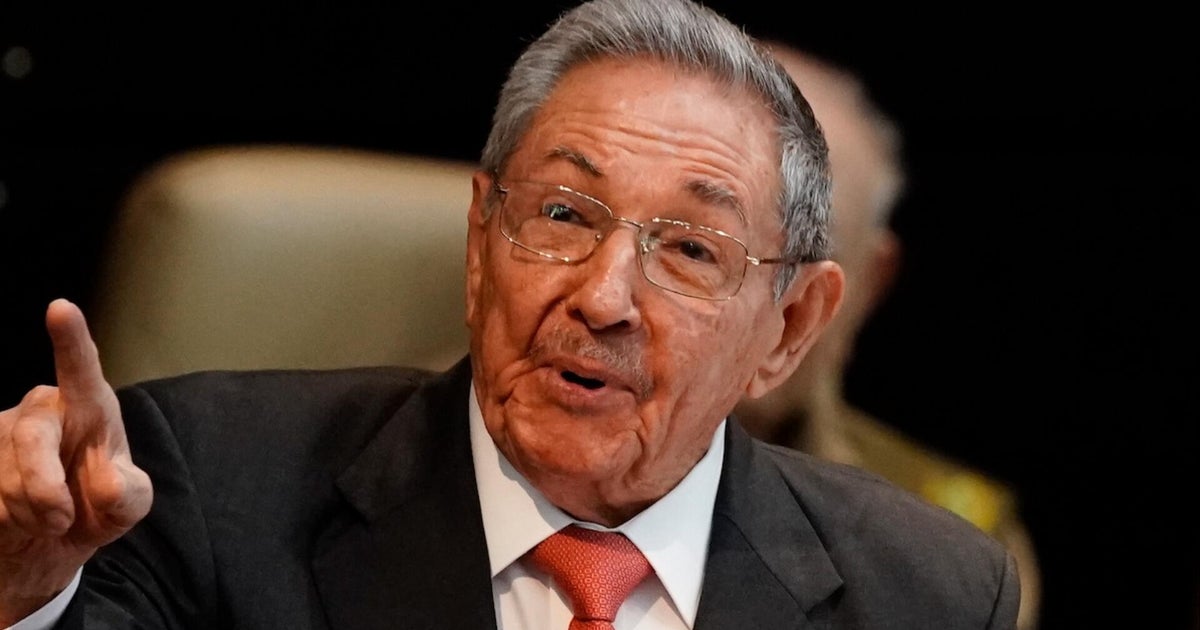
Castro, now 96 years old and brother of late Cuban revolutionary leader Fidel Castro, held senior positions in the Cuban government for decades, including serving as president from 2008 to 2018. The indictment is being pursued by Miami prosecutors and relates to an incident that occurred nearly three decades ago.
The aircraft involved belonged to Brothers to the Rescue, an organization that claimed to assist Cuban refugees at sea. Four people died in the shootdown. The group was active in the 1990s, conducting flights over the Florida Straits to search for refugees and provide humanitarian assistance.
The Cuban government has strongly rejected the charges. President Miguel Díaz-Canel stated that the US is lying and distorting the events of 1996. He characterized Brothers to the Rescue as a 'narco-terrorist organization' and dismissed any legitimacy of the American indictment. Cuban leadership views the action as another escalation in already strained relations between the two countries.
The timing of the indictment raises questions about underlying motives. The revival of this decades-old case comes during a period of heightened tensions between the US and Cuba. Observers are speculating about possible connections to broader political strategies regarding the Caribbean island.
The legal prospects of the case remain unclear, as Castro is in Cuba and extradition is highly unlikely. Nevertheless, the indictment represents a symbolic and diplomatic escalation that could further strain the already difficult relationship between Washington and Havana.
Experts note that the 1996 case has been a source of diplomatic tensions in the past. The renewed pursuit by US justice authorities after such a long period is unusual and could be part of a comprehensive strategy to pressure the Cuban government.
The development occurs against the backdrop of ongoing economic difficulties in Cuba and growing international attention to the situation on the island. How the indictment will affect future relations between the two countries remains to be seen. The case highlights the persistent challenges in US-Cuba relations and the complex legacy of Cold War-era conflicts that continue to influence contemporary diplomacy.
Fast take
The US Justice Department has indicted former Cuban President Raúl Castro and five others in connection with the 1996 downing of two civilian aircraft.
NOFRAME signal
Stable coverage · 10 Sources · 4 Regions
What remains open
The source picture is relatively consistent. That still makes the details worth reading: small differences in wording, omissions, and source selection can reveal what each region treats as important.
Dossier compass
Which media spaces carry the story and how broad the source base is.
Source mix
Underlit angles
- Details on current US-Cuba tensions
- Connection to potential regime change plans
- Details of US charges
Open originals
Go straight to the linked articles. NOFRAME does not replace those sources.
Why it matters
The source picture is relatively consistent. That still makes the details worth reading: small differences in wording, omissions, and source selection can reveal what each region treats as important.
Timeline
TASS · May 20, 2026 at 09:06 PM
US charges against Raul Castro have no legal basis — Cuban president
PBS NewsHour · May 20, 2026 at 10:55 PM
U.S. indicts Cuba's Raúl Castro in latest escalation of tensions
BBC World · May 20, 2026 at 11:28 PM
US charges Cuba's Raúl Castro with murder over 1996 downing of two planes
CBS News · May 20, 2026 at 11:40 PM
Justice Department indicts Raúl Castro as Trump threatens a "friendly takeover" of Cuba