The US Federal Reserve raised its benchmark interest rate on Wednesday for the first time in three years. The Federal Open Market Committee (FOMC) voted unanimously to increase the rate by 25 basis points, bringing it to a range of 3.75 to 4.00 percent. The decision marks the first major policy move under new Fed Chair Kevin Warsh, who recently took over leadership of the central bank.
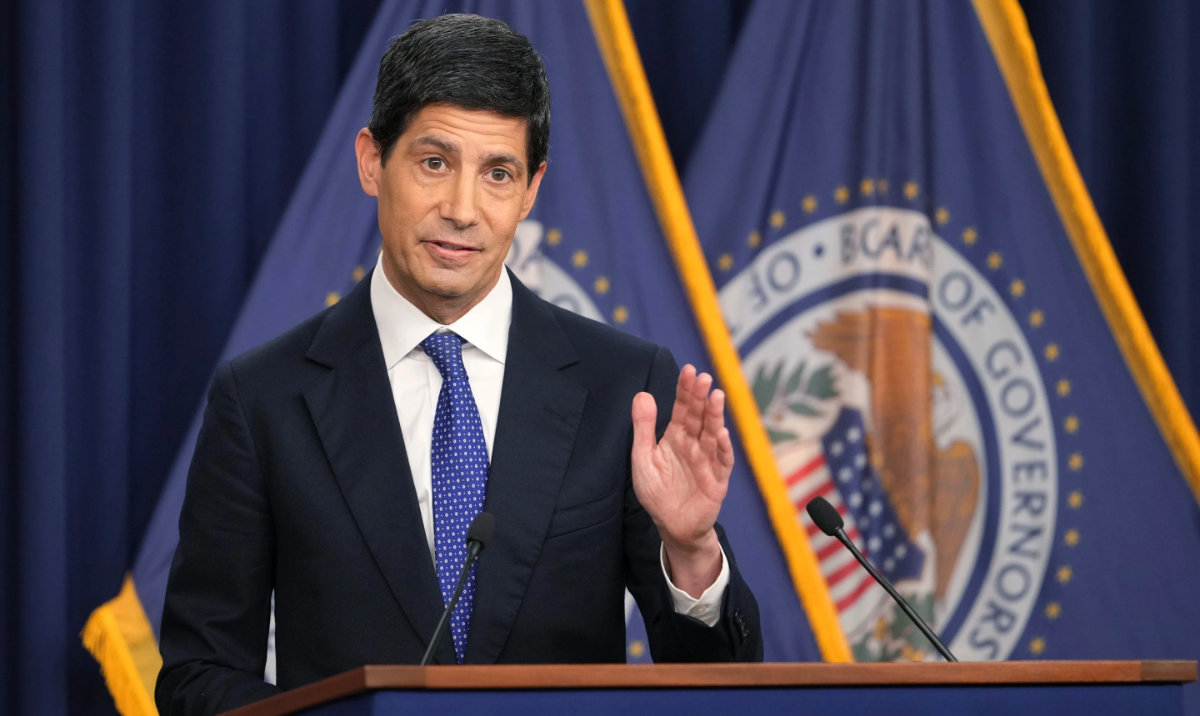
Warsh justified the increase by citing inflation that has remained "too high" for "too long." He said the hike was intended to support a "timelier return" to the Fed's two-percent inflation target. Warsh described the decision as a "serious" one but said it was necessary. The Fed also signaled that further rate increases could follow in the coming months if inflation does not ease as anticipated.
The move came despite repeated and public demands from President Donald Trump for the Fed to cut rates. Following the announcement, Trump reacted with sharp criticism. In a social media post, he renewed his call for US interest rates to be cut to one percent or less, arguing that the United States has "the best credit in the world — by far." Some reports characterized his reaction as especially forceful, with one outlet quoting him describing the move as "hostile."
The backdrop to the rate hike is a period of persistently high inflation in the United States that has weighed on households and businesses. Some reports link the price pressures to Trump's own trade policies, particularly his tariffs, as well as to military action against Iran. The ongoing boom in artificial intelligence has also been cited as a possible contributing factor to rising prices, though this connection is not uniformly drawn across all reports.
The rate decision represents a potential flashpoint between the Federal Reserve and the White House. The Fed is traditionally regarded as an independent institution whose monetary policy decisions are meant to be insulated from political pressure. That the decision was made unanimously despite Trump's public pressure has been interpreted by several international outlets as a signal of the central bank's continued independence.
Kevin Warsh, in his first major decision as Fed chair, now finds himself at the center of public attention. How his relationship with President Trump develops going forward remains uncertain. Observers expect the dispute over future interest rate policy to continue, particularly if inflation does not decline as the Fed hopes.
For American consumers and businesses, the rate increase is likely to raise borrowing costs, including for mortgages, auto loans, and business financing. At the same time, the tighter monetary policy is intended to dampen demand and help curb price growth. The broader economic effects, particularly on growth, remain unclear for now.
International coverage of the decision was largely consistent in reporting the core facts, though it varied somewhat in how it characterized Trump's reaction and in how much weight it gave to different possible causes of inflation. Further Fed policy decisions in the coming months are expected to remain a focus of public attention.
Fast take
The US Federal Reserve raised its benchmark interest rate on Wednesday for the first time in three years.
NOFRAME signal
Stable coverage · 10 Sources · 4 Regions
What remains open
The source picture is relatively consistent. That still makes the details worth reading: small differences in wording, omissions, and source selection can reveal what each region treats as important.
Dossier compass
Which media spaces carry the story and how broad the source base is.
Source mix
Underlit angles
- Possible economic causes of inflation such as tariffs or the Iran conflict are barely explored
- Socioeconomic effects on US households are barely addressed
- Technical details of the Fed's monetary strategy are less developed
Open originals
Go straight to the linked articles. NOFRAME does not replace those sources.
Why it matters
The source picture is relatively consistent. That still makes the details worth reading: small differences in wording, omissions, and source selection can reveal what each region treats as important.
Timeline
Al Jazeera · September 17, 2026 at 01:03 AM
What to know about US Federal Reserve’s first interest rate hike in 3 years
Channel News Asia · September 17, 2026 at 01:21 AM
Trump lashes out at Fed after Warsh backs rate hike; says rates should be '1% or less'
Jakarta Post · September 17, 2026 at 01:31 AM
US Fed raises rates to tackle 'too high' inflation, irking Trump
NDTV World · September 17, 2026 at 01:38 AM
US Fed Hikes Rates To Tackle Inflation, Trump Slams Move As "Hostile"