US President Donald Trump has departed for a high-stakes three-day state visit to China to meet with Chinese President Xi Jinping, marking the first visit by a sitting US president to China in nearly nine years. The visit comes at a particularly delicate moment in bilateral relations between the world's two largest economies.
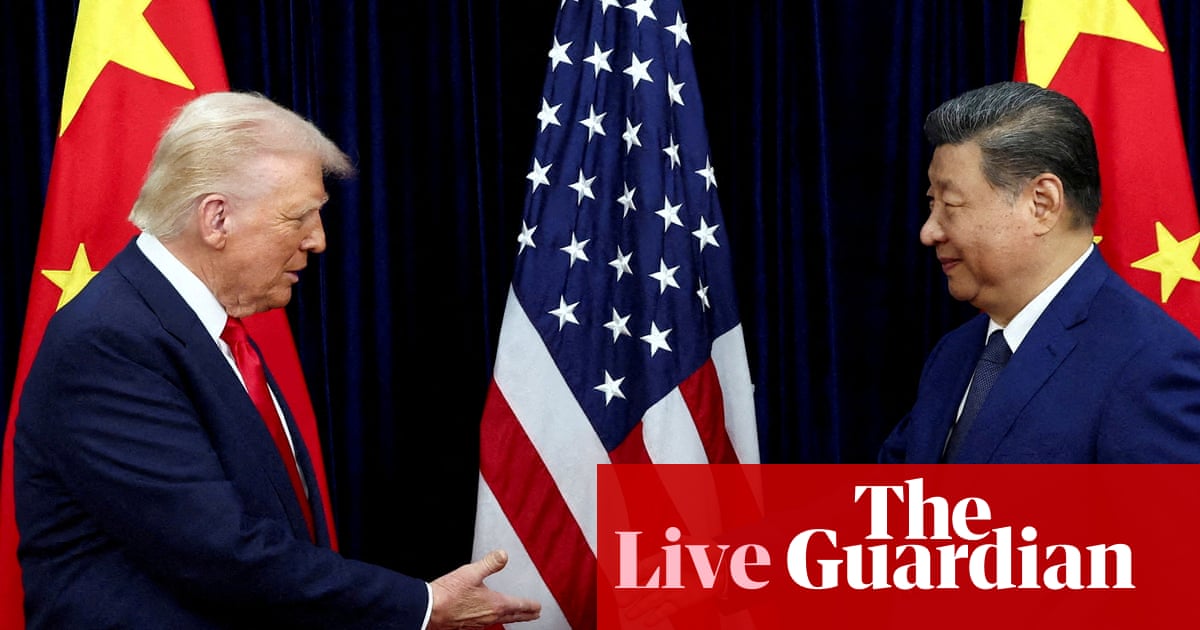
The talks between the leaders are taking place against the backdrop of ongoing trade tensions and an escalating Iran conflict. While trade issues were originally expected to dominate discussions, analysts suggest that the Iran conflict may overshadow strategic calculations on both sides.
A year ago, Trump predicted that towering trade tariffs would bring America's main economic rival to heel. However, these ambitions have proven more difficult to implement than expected. Court rulings and political resistance have narrowed Trump's goals, leading him to focus on more modest deals in areas such as agriculture and aviation, specifically involving soybeans, beef, and Boeing aircraft.
A central aspect of the current talks is Trump's request for China's assistance in resolving the Iran conflict. The president described the current fragile ceasefire as being "on life support" and dismissed Tehran's peace proposal as "totally unacceptable." Speaking to reporters in the Oval Office, Trump said he didn't even finish reading the document, calling it "garbage."
The complexity of the situation is underscored by the recent visit of Iranian Foreign Minister Araghchi to China, which occurred just before the Trump-Xi meeting. This highlights the multilayered geopolitical dynamics at play in the discussions. Beijing remains indispensable to Tehran as an economic backer and diplomatic shield, but it is not prepared to become its war ally.
Beyond the Iran conflict, Taiwan and tensions over global supply chains are expected to be complicating factors in the talks. Taiwan remains a particularly sensitive point in US-China relations, as Beijing considers the island part of its territory while the US supports Taiwan.
Analysts point out that Xi Jinping may hold advantages in the negotiations. Trump's challenges with the Iran situation and domestic political pressure give the Chinese president potential leverage on issues including trade, Iran, and Taiwan. Nevertheless, Trump still has significant opportunities to benefit from the talks in Beijing.
An interesting aspect of the trip is that several CEOs of American companies were expected to accompany Trump to help drum up business for US firms - a top priority for his administration. However, reports indicate that Nvidia CEO Jensen Huang was excluded from the trip, reflecting ongoing tensions in the technology sector between the two countries.
The visit also takes place against the backdrop of new inflation data expected to show how the Iran war has impacted the US economy. The conflict's effects on energy prices and global supply chains have become an important domestic political issue for Trump.
The outcomes of these talks could have far-reaching consequences for international politics. Successful cooperation on the Iran issue could improve bilateral relations, while progress on trade matters could benefit both economies. At the same time, fundamental structural tensions between the two superpowers remain that extend beyond these individual discussions.
The timing of the visit is particularly significant given the broader context of US-China rivalry and competition for global influence. Both leaders face domestic pressures that could influence their negotiating positions, with Trump dealing with criticism over the Iran conflict and Xi managing China's economic challenges.
Observers will be watching closely for any concrete agreements or joint statements that emerge from the meetings, as well as the tone and substance of discussions on the most contentious issues. The visit represents a critical test of whether the two powers can find common ground on pressing global challenges while managing their strategic competition.
Fast take
US President Donald Trump has departed for a high-stakes three-day state visit to China to meet with Chinese President Xi Jinping, marking the first visit by a sitting US president to China in nearly nine years.
NOFRAME signal
Stable coverage · 9 Sources · 3 Regions
What remains open
The source picture is relatively consistent. That still makes the details worth reading: small differences in wording, omissions, and source selection can reveal what each region treats as important.
Dossier compass
Which media spaces carry the story and how broad the source base is.
Source mix
Underlit angles
- Details on specific trade agreements
- Taiwan's role in the discussions
- Trump's specific criticism of Iran's peace proposal
Open originals
Go straight to the linked articles. NOFRAME does not replace those sources.
Why it matters
The source picture is relatively consistent. That still makes the details worth reading: small differences in wording, omissions, and source selection can reveal what each region treats as important.
Timeline
Globe and Mail · May 12, 2026 at 10:00 AM
What to expect from Trump’s visit to China
CBS News · May 12, 2026 at 10:13 AM
Trump heads to China today for high-stakes meeting with Xi
NPR World · May 12, 2026 at 11:27 AM
Trump heads to China for state visit. And, how the war in Iran has affected inflation
The Guardian · May 12, 2026 at 11:31 AM
Trump to head to China for high-stakes talks with Xi – US politics live