Iran's chief negotiator has issued a stark ultimatum to the United States, demanding that Washington accept Tehran's 14-point peace proposal for the ongoing Middle East conflict or face continued diplomatic failure. The defiant warning came immediately after US President Donald Trump categorically rejected Iran's latest counterproposal, dismissing it as 'garbage'.
Iran's parliamentary speaker Mohammad Bagher Ghalibaf reinforced his country's message through social media platform X, stating there is no viable path forward without recognizing the rights of the Iranian people as outlined in Tehran's 14-point proposal. 'Any other approach will be completely inconclusive; nothing but one failure after another,' Ghalibaf warned in his statement.
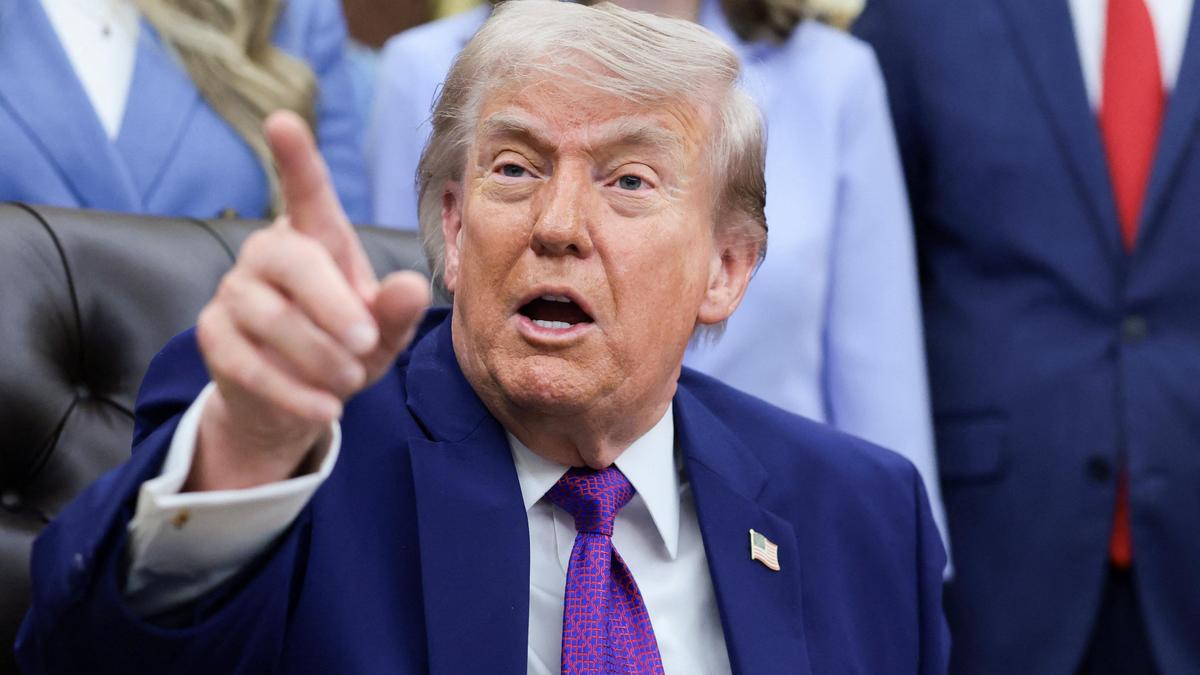
Trump, for his part, declared that the fragile ceasefire is hanging by a thread, describing it as being 'on life support' after rejecting Tehran's offer. The US President appeared pessimistic about prospects for agreement, suggesting that peace efforts may be on the verge of collapse.
The Iranian 14-point proposal reportedly calls for an end to the war on all fronts, including the cessation of hostilities in Lebanon. While the exact details of the proposal have not been fully disclosed publicly, Iranian sources emphasize that it envisions comprehensive peace measures for the entire region.
The diplomatic standoff highlights the increasingly fragile state of peace negotiations in the Middle East. Both sides appear to be taking hardened positions, with Iran issuing ultimatums while the US dismisses Iranian proposals outright. This development raises questions about the future of diplomatic efforts to end the conflict.
Tensions between Washington and Tehran have escalated in recent weeks as both sides hold different visions for the conditions of lasting peace. Iran insists on recognition of its regional interests and rights, while the US apparently sets different priorities for any potential agreement.
The current impasse reflects broader challenges in Middle East diplomacy, where competing regional powers often have fundamentally different strategic objectives. Iran's insistence on its 14-point framework suggests Tehran believes it holds sufficient leverage to demand acceptance of its terms, while Trump's harsh rejection indicates Washington is unwilling to accommodate Iranian demands.
Experts warn that the failure of the current negotiation round could have serious consequences for stability across the entire region. A breakdown in talks would not only jeopardize prospects for peace in the immediate conflict zone but could also lead to further escalation of tensions between the US and Iran.
The international community is watching developments with growing concern. Various countries and international organizations have called on both sides for restraint and continued diplomatic efforts, but so far neither Washington nor Tehran shows willingness to compromise on their core positions.
The coming days will be crucial in determining whether negotiations can be salvaged or whether the region is heading toward another period of instability. Both sides face significant domestic political pressure to defend their respective positions, which further complicates prospects for a quick resolution.
The failure to reach agreement threatens to prolong the ongoing conflict and could potentially draw in other regional actors, further destabilizing an already volatile situation. The stakes remain high for all parties involved, as the consequences of diplomatic failure could reverberate far beyond the immediate participants in the conflict.
Fast take
Iran's chief negotiator has issued a stark ultimatum to the United States, demanding that Washington accept Tehran's 14-point peace proposal for the ongoing Middle East conflict or face continued diplomatic failure.
NOFRAME signal
Stable coverage · 7 Sources · 4 Regions
What remains open
The source picture is relatively consistent. That still makes the details worth reading: small differences in wording, omissions, and source selection can reveal what each region treats as important.
Dossier compass
Which media spaces carry the story and how broad the source base is.
Source mix
Underlit angles
- Trump's specific criticism of the proposal
- Details of Trump's 'garbage' comment
- Details of Iranian 14-point proposal
Open originals
Go straight to the linked articles. NOFRAME does not replace those sources.
Why it matters
The source picture is relatively consistent. That still makes the details worth reading: small differences in wording, omissions, and source selection can reveal what each region treats as important.
Timeline
Globe and Mail · May 12, 2026 at 10:04 AM
Trump rejects ‘garbage’ Iran counterproposal on peace deal
Punch Nigeria · May 12, 2026 at 10:13 AM
US must accept proposal or face failure, says Iran chief negotiator
Globe and Mail · May 12, 2026 at 10:43 AM
Trump says Iran ceasefire 'on life support' as deal hopes fade
The Hindu · May 12, 2026 at 11:24 AM
Iran chief negotiator says U.S. must accept proposal or face 'failure'