US forces fired a Hellfire missile at an oil tanker attempting to breach an American maritime blockade and reach an Iranian port, the US military announced. The US Central Command (CENTCOM) stated that the engine room of the Botswana-flagged tanker M/T Lexie was disabled on Tuesday through the targeted missile strike.
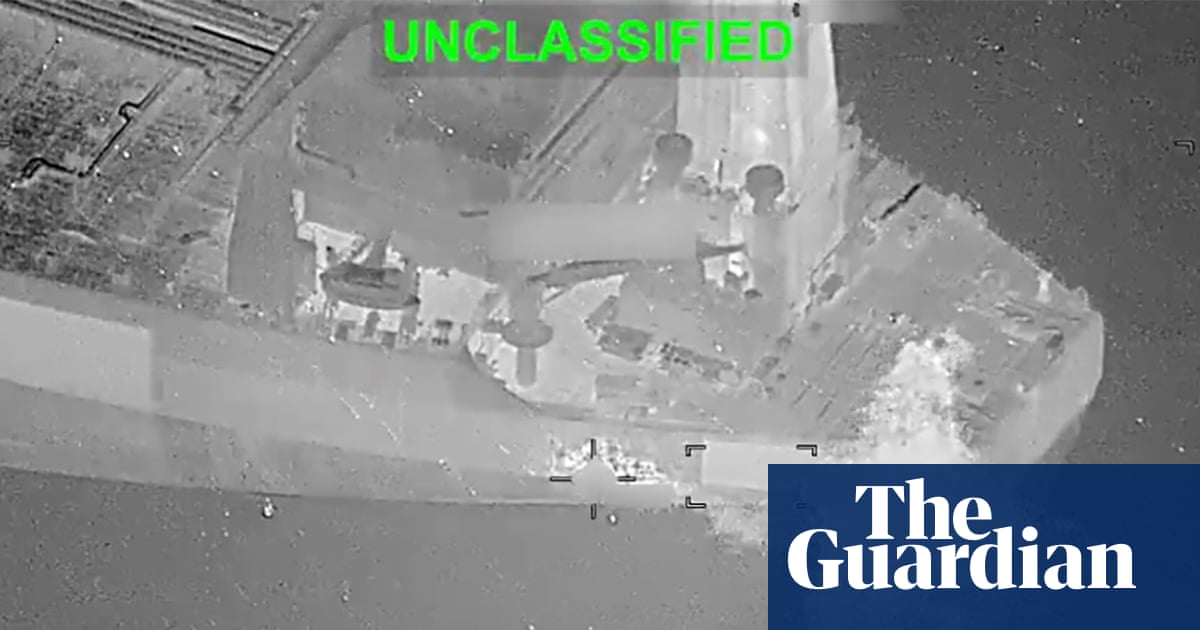
According to the US military, the unladen vessel had ignored repeated warnings over a 24-hour period before an American warplane ultimately fired a Hellfire missile into the ship's engine room. The incident occurred in international waters as the vessel was heading toward an Iranian port.
The action is part of a broader maritime blockade against Iran that the US initiated on April 13. According to CENTCOM, the M/T Lexie is the sixth ship that has been disabled by US forces since the blockade began. Additionally, 122 other vessels have reportedly been diverted from their original courses.
The incident underscores ongoing tensions in the strategically important Strait of Hormuz, one of the world's most significant shipping routes for oil transport. The region has long been a flashpoint for geopolitical tensions between the US and Iran, with both sides increasing their military presence in the area.
Parallel to the tanker incident, explosions were reported near Iran's Qeshm Island. Iran's Mehr news agency reported explosion sounds in the area, citing local sources and residents. A direct connection between these explosions and the tanker strike has not been confirmed.
Reports from various media outlets also mention a separate incident involving a Gambian-flagged cargo ship called Lian Star, which allegedly ignored more than 20 warnings from US forces. The exact details and timeline of these various incidents remain partially unclear, as different sources cite different ship names and flags.
The maritime blockade occurs against the backdrop of stalled diplomatic efforts between Washington and Tehran. Reports suggest that negotiations for a new ceasefire agreement have reached an impasse, further inflaming tensions in the region.
The US enforcement of the blockade raises questions about international law and the legality of such measures in international waters. While the US justifies its actions as necessary security measures, Iran may view the blockade as a violation of freedom of navigation.
Developments in the Strait of Hormuz also have implications for global energy markets, as approximately one-fifth of the world's oil transport passes through this strait. Any escalation of tensions in the region can lead to energy supply disruptions and price volatility.
The international community is watching the situation with concern, as further escalation between the US and Iran could have far-reaching consequences for stability in the Middle East. The current incidents demonstrate how quickly maritime tensions can develop into larger conflicts.
The blockade represents a significant escalation in the ongoing standoff between the two nations, with both sides maintaining substantial naval assets in the Persian Gulf region. The use of precision-guided munitions against commercial vessels marks a notable intensification of enforcement measures.
Questions remain about the broader implications of these actions for international shipping and maritime law. The targeting of vessels in international waters, even those allegedly violating blockades, sets precedents that could affect global shipping practices and international maritime regulations.
Fast take
US forces fired a Hellfire missile at an oil tanker attempting to breach an American maritime blockade and reach an Iranian port, the US military announced.
NOFRAME signal
Stable coverage · 11 Sources · 5 Regions
What remains open
The source picture is relatively consistent. That still makes the details worth reading: small differences in wording, omissions, and source selection can reveal what each region treats as important.
Dossier compass
Which media spaces carry the story and how broad the source base is.
Source mix
Underlit angles
- International law assessment of blockade
- Impact on global energy markets
- Diplomatic background
Open originals
Go straight to the linked articles. NOFRAME does not replace those sources.
Why it matters
The source picture is relatively consistent. That still makes the details worth reading: small differences in wording, omissions, and source selection can reveal what each region treats as important.
Timeline
Rappler · June 2, 2026 at 10:06 PM
US fires missile at tanker heading toward Iran
Middle East Eye · June 2, 2026 at 10:37 PM
Explosion heard in the area of Iran's Qeshm Island, Mehr news agency says
Channel News Asia · June 2, 2026 at 11:04 PM
US fires Hellfire missile at tanker heading towards Iran
The Guardian · June 2, 2026 at 11:36 PM
US fires missile at tanker attempting to reach Iran amid strait of Hormuz standoff