The US Senate confirmed Kevin Warsh as the new chair of the Federal Reserve in a 54-45 vote on Wednesday, marking a significant transition in American monetary policy leadership. The 56-year-old economist will replace Jerome Powell, whose eight-year tenure was characterized by successive economic crises and prolonged tensions with political leadership over monetary policy decisions.
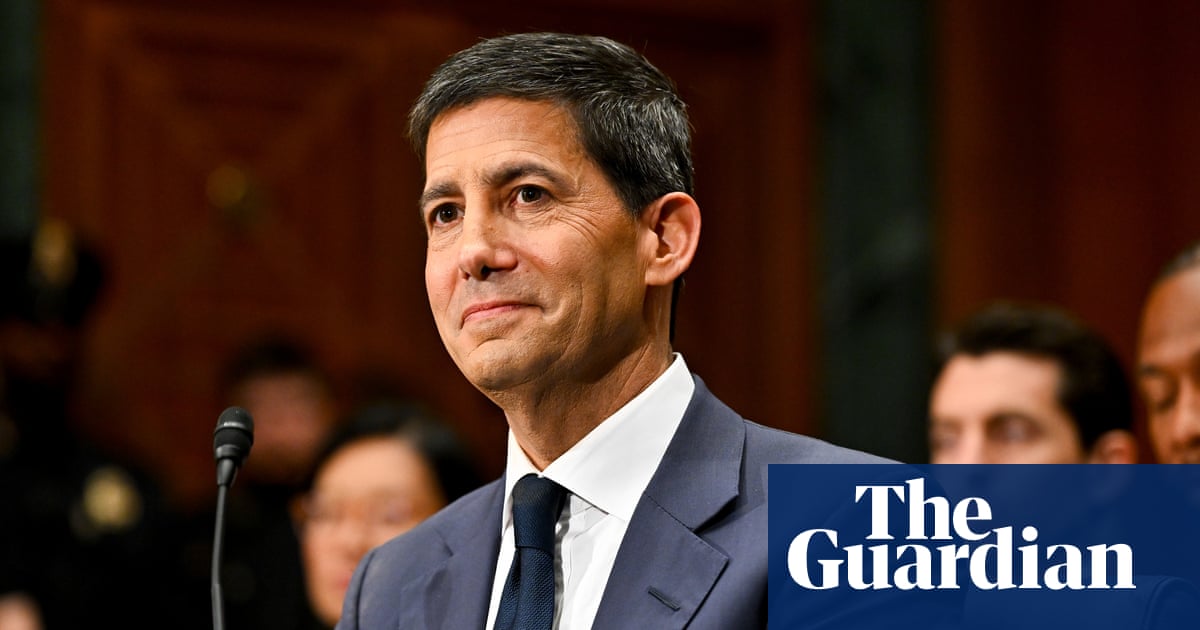
The confirmation vote was largely split along party lines, with Democratic Senator John Fetterman from Pennsylvania being the notable exception, joining the Republican majority in supporting Trump's nominee. Warsh will serve a four-year term as chair while also receiving a 14-year appointment to the Fed's board of governors.
Warsh brings substantial experience in financial markets and central banking to the role. He previously worked as a banker at Morgan Stanley and served as a Federal Reserve governor from 2006 to 2011, a period that included navigating the 2008 financial crisis. This experience during one of the most challenging periods in recent financial history is viewed as a key qualification for his new position.
The appointment comes at a critical juncture for the American economy. Inflation has reached a three-year high, presenting significant challenges for monetary policy. Simultaneously, the Federal Reserve faces mounting pressure from the White House to lower interest rates, a position that both Trump and Warsh have historically advocated.
Warsh will formally assume office on Friday, May 15, 2026. His confirmation occurs amid growing concerns about Federal Reserve independence, with critics worried that the central bank's traditional autonomy in monetary policy decisions could come under political influence. The Federal Reserve's independence has long been considered crucial for effective monetary policy implementation.
As chair of the Federal Reserve, Warsh will oversee one of the most powerful institutions in the federal government, wielding enormous influence over both the American and global economy. His decisions on interest rates will have far-reaching implications for inflation control, employment levels, and economic growth both domestically and internationally.
During his confirmation hearings, Warsh emphasized that President Trump did not require him to pledge interest rate cuts to secure his nomination. This statement was intended to address concerns about potential political interference in monetary policy decisions and to reassure lawmakers about his commitment to the Fed's dual mandate of price stability and full employment.
The leadership transition occurs during a period of significant economic uncertainty and inflationary pressure. Powell's tenure was marked by managing the economic fallout from the COVID-19 pandemic, implementing unprecedented monetary stimulus measures, and subsequently dealing with the resulting inflationary pressures. Warsh now inherits this complex economic landscape and must develop strategies to combat inflation while supporting economic growth.
The international financial community is closely monitoring these developments, as Federal Reserve decisions have substantial impacts on global markets, currencies, and economic stability. Central banks worldwide often adjust their policies in response to Fed actions, making the chair's role crucial for global economic coordination.
Warsh's experience during the 2008 financial crisis could prove valuable if current economic challenges intensify. His understanding of crisis management and financial market dynamics may be essential as the Fed navigates the current inflationary environment while maintaining financial stability.
The confirmation represents a significant shift in Federal Reserve leadership philosophy, with potential implications for future monetary policy direction. Market participants and economists will be watching closely for signals about Warsh's approach to interest rate policy and his commitment to maintaining the Fed's independence from political pressure.
Fast take
The US Senate confirmed Kevin Warsh as the new chair of the Federal Reserve in a 54-45 vote on Wednesday, marking a significant transition in American monetary policy leadership.
NOFRAME signal
Stable coverage · 7 Sources · 3 Regions
What remains open
The source picture is relatively consistent. That still makes the details worth reading: small differences in wording, omissions, and source selection can reveal what each region treats as important.
Dossier compass
Which media spaces carry the story and how broad the source base is.
Source mix
Underlit angles
- Details about Warsh's Morgan Stanley background
- Specific inflation figures
- Details about Fetterman's bipartisan support
Open originals
Go straight to the linked articles. NOFRAME does not replace those sources.
Why it matters
The source picture is relatively consistent. That still makes the details worth reading: small differences in wording, omissions, and source selection can reveal what each region treats as important.
Timeline
Anadolu EN · May 13, 2026 at 07:04 PM
US Senate confirms Kevin Warsh as Federal Reserve chair
El País English · May 13, 2026 at 07:09 PM
Kevin Warsh officially confirmed as Federal Reserve chair
NDTV World · May 13, 2026 at 07:12 PM
US Senate Confirms Trump Nominee Kevin Warsh As Federal Reserve Chair
MercoPress · May 13, 2026 at 08:00 PM
Warsh to succeed Powell at the Fed with inflation at three-year high