The Pentagon announced Tuesday that the U.S. military operation in Iran has cost approximately $29 billion so far, according to testimony from Pentagon comptroller Jules Hurst before Congress. This figure represents an increase of $4 billion from estimates provided by Defense Secretary Pete Hegseth just two weeks earlier, highlighting the rapidly escalating financial burden of the conflict. The rising costs have renewed focus on the war as President Donald Trump faces mounting scrutiny over the conflict and its impact on American military readiness.
Hurst explained to lawmakers that the updated cost estimates include repairs and replacement of military equipment as well as operational expenses. The rapid increase in costs within just two weeks underscores the challenges of accurately calculating war expenses during an ongoing conflict. As recently as April 29, the Pentagon had estimated the costs at $25 billion, demonstrating the continuous upward trajectory of financial commitments to the operation.
However, reports on the actual costs vary significantly depending on the source. While the Pentagon officially cites $29 billion, other sources provide substantially higher figures. The Iran War Cost Tracker, an independent portal monitoring war expenses, estimates U.S. spending has already exceeded $77 billion by the 71st day of operations. This considerable discrepancy raises questions about the completeness and methodology of different cost assessments, suggesting that the true financial impact may be even greater than official estimates indicate.
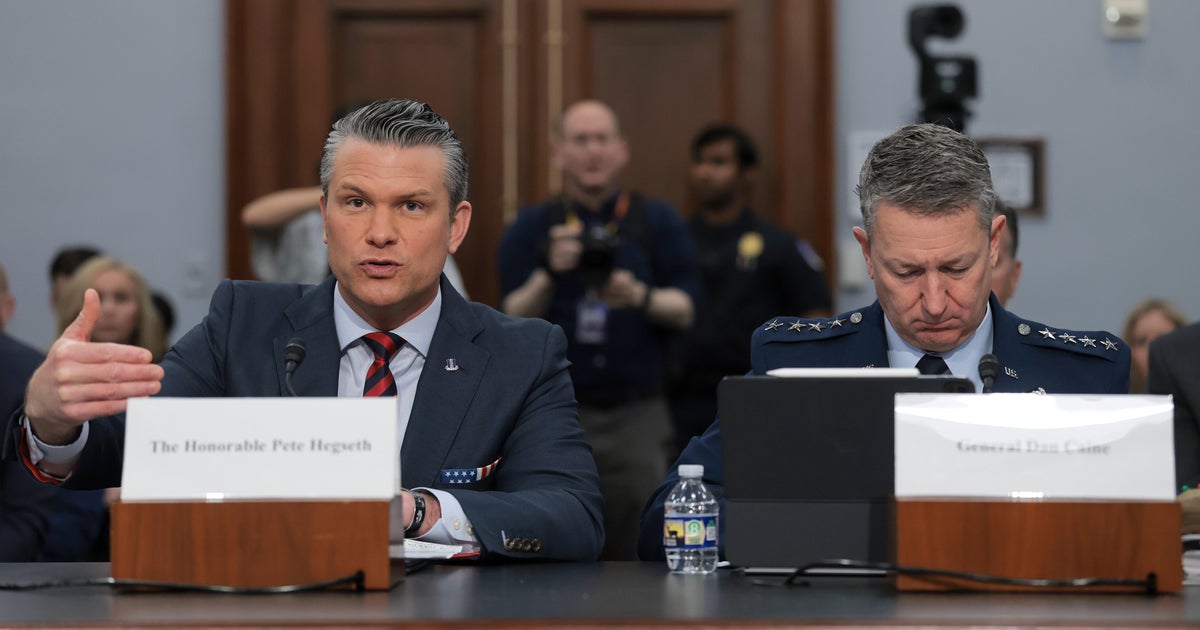
Defense Secretary Pete Hegseth and Joint Chiefs Chairman General Dan Caine faced intense questioning Tuesday during back-to-back hearings before House and Senate Appropriations subcommittees overseeing defense spending. Both Republican and Democratic lawmakers pressed the military leadership on the Trump administration's exit strategy, long-term costs of the conflict, and the impact on dwindling U.S. weapons stockpiles. The hearings revealed growing bipartisan concern about the direction and financial implications of the Iran war, with legislators demanding greater transparency and accountability.
The conflict has imposed substantial financial burdens not only on the United States but on other parties as well. Reports indicate that Israel has spent approximately $17.5 billion on its involvement in the operations, while Iran has reportedly suffered an estimated $270 billion in losses. These figures illustrate the enormous economic impact of the conflict on all involved parties and highlight the broader regional consequences of military engagement in the Middle East.
Concurrent with the cost debates, reports of ongoing talks between the United States and Iran have created additional political tensions. Iran has reportedly demanded compensation during these negotiations, complicating prospects for a diplomatic resolution to the conflict. President Trump has criticized ceasefire negotiations as weak, raising questions about the coherence of U.S. strategy and the administration's commitment to finding a peaceful solution to the crisis.
The escalating war costs come at a time when the United States is already facing significant budgetary challenges. The $29 billion for the Iran war represents a considerable additional burden on the defense budget and could impact other military programs and priorities. Defense analysts warn about the long-term implications for military readiness and America's ability to respond to other potential threats around the globe, particularly given existing commitments in Europe and the Indo-Pacific region.
A particular concern raised by lawmakers during the hearings was the conflict's impact on U.S. weapons stockpiles. The intensive use of precision munitions and other advanced weapons systems has led to worries about America's ability to maintain adequate military inventories. These concerns are compounded by simultaneous weapons deliveries to allies such as Ukraine and Taiwan, creating a complex logistical and strategic challenge for military planners.
The testimony revealed that the cost calculations encompass a broad range of expenses beyond immediate combat operations. Equipment repairs and replacements represent a significant portion of the total, reflecting the wear and tear on military hardware during sustained operations. Operational costs include everything from fuel and logistics to personnel expenses and intelligence operations, demonstrating the comprehensive nature of modern military engagements.
The differing cost estimates and growing political criticism suggest that the debate over the Iran war will intensify in the coming weeks. As the Pentagon attempts to provide accurate figures, both military leadership and the Trump administration face increasing pressure to present a clear strategy for ending the conflict. The financial costs are likely to remain a central argument in the political debate, particularly as lawmakers prepare for upcoming budget negotiations.
The congressional hearings also highlighted broader questions about oversight and accountability in military spending. Lawmakers expressed frustration with the rapid changes in cost estimates and demanded more frequent and detailed reporting on war expenses. This scrutiny reflects growing congressional assertiveness in exercising its constitutional role in military affairs and budget oversight, potentially setting the stage for more intensive legislative involvement in war policy decisions moving forward.
Fast take
The Pentagon announced Tuesday that the U.
NOFRAME signal
Medium divergence · 6 Sources · 4 Regions
What remains open
Coverage is not fully split, but it is not identical either. That makes the comparison useful: the fact base shows the common core, while the perspectives show where political, regional, or institutional priorities change the emphasis.
Dossier compass
Which media spaces carry the story and how broad the source base is.
Source mix
Underlit angles
- Alternative cost estimates from other sources
- Detailed breakdown of cost categories
- Explanation for divergent figures
Open originals
Go straight to the linked articles. NOFRAME does not replace those sources.
Why it matters
Coverage is not fully split, but it is not identical either. That makes the comparison useful: the fact base shows the common core, while the perspectives show where political, regional, or institutional priorities change the emphasis.
Timeline
Straits Times · May 12, 2026 at 01:42 PM
US war in Iran has cost $36.9 billion so far: Pentagon
TRT World · May 12, 2026 at 02:20 PM
Pentagon says US war on Iran has cost $29B so far
CBS News · May 12, 2026 at 02:48 PM
Watch Live: Lawmakers press Hegseth, Caine for details on Iran war funding
Al-Monitor · May 12, 2026 at 03:00 PM
Pentagon says US cost of Iran war nearing $29 billion