The World Health Organization has declared the Ebola outbreak in the Democratic Republic of Congo and Uganda a public health emergency of international concern, marking the highest level of alert the organization can issue for health crises. This declaration comes after approximately 80 deaths have been attributed to the disease across the two neighboring Central African nations.
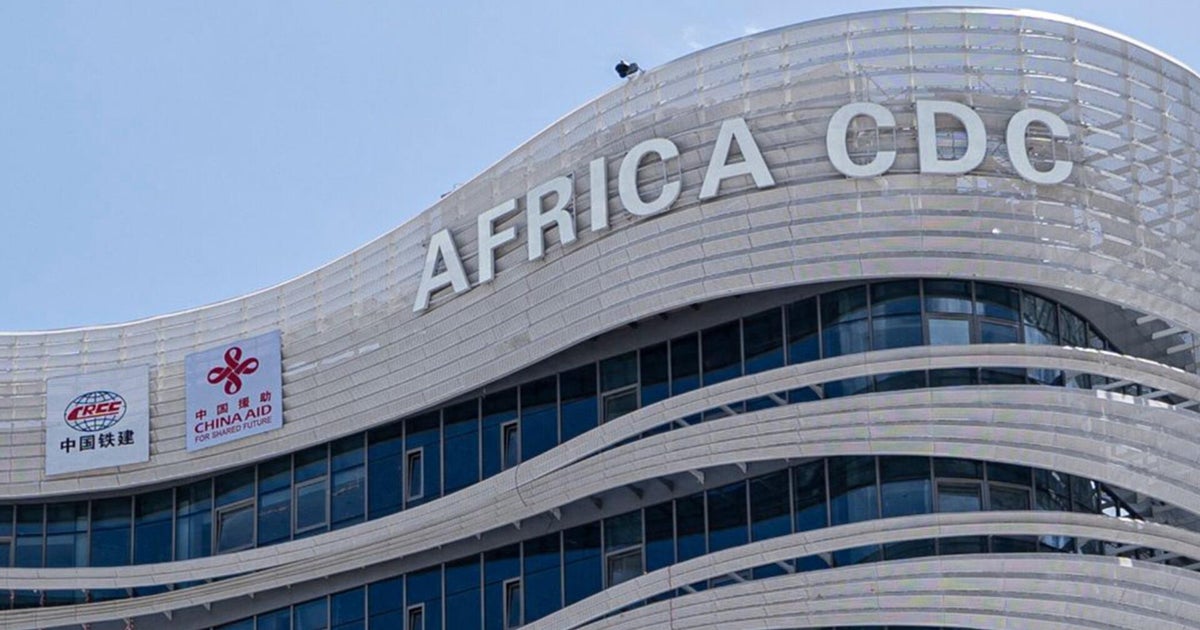
The outbreak has drawn international attention, particularly after reports emerged that at least six American citizens in Congo were exposed to the Ebola virus. Sources indicate that the Centers for Disease Control and Prevention (CDC) is monitoring and responding to these exposures, highlighting the international dimensions of the current crisis.
Ebola is a highly contagious and often fatal viral disease that spreads through direct contact with bodily fluids of infected individuals. The virus causes hemorrhagic fever and can have mortality rates of up to 90 percent, depending on the virus strain and available medical care. Early symptoms often resemble flu-like illness, which can complicate early diagnosis and containment efforts.
In response to the outbreak, several African nations have heightened their surveillance measures. Nigeria, which successfully managed Ebola cases during previous outbreaks, has tightened its health protocols and advised public vigilance. The Nigerian Centre for Disease Control (NCDC) is coordinating national response efforts and monitoring potential cross-border transmissions.
The WHO's emergency declaration triggers international coordination mechanisms and mobilizes resources to help contain the outbreak. This includes deploying medical personnel, equipment, and vaccines to affected areas. International health organizations and governments will now work more closely together to prevent further spread of the virus.
The Democratic Republic of Congo has experienced multiple Ebola outbreaks in recent years, illustrating the ongoing challenges of disease control in the region. Factors such as political instability, limited healthcare infrastructure, and cultural practices can complicate containment efforts. The extension into Uganda demonstrates how quickly the virus can spread across borders.
Health experts emphasize the importance of rapid and coordinated international response. Previous Ebola outbreaks, particularly the 2014-2016 West Africa epidemic, demonstrated the devastating impact the virus can have when not quickly contained. That outbreak resulted in over 11,000 deaths across Guinea, Liberia, and Sierra Leone.
The current situation requires enhanced surveillance at international airports and border crossings. Health authorities worldwide are on heightened alert and have activated protocols for identifying and isolating suspected cases. The WHO is working closely with affected countries to implement contact tracing and quarantine measures.
International health security experts note that this declaration serves as a critical tool for mobilizing global resources and attention. It enables faster deployment of international aid, medical supplies, and expertise to the affected regions. The declaration also facilitates coordination between international organizations, governments, and non-governmental organizations.
The outbreak's spread to Uganda from the Democratic Republic of Congo underscores the challenges of containing infectious diseases in regions with porous borders and limited healthcare infrastructure. Cross-border movement of populations for trade, family visits, and other activities can facilitate disease transmission.
Vaccination efforts are expected to play a crucial role in containing the current outbreak. Ebola vaccines developed during previous outbreaks have shown effectiveness in preventing infection and reducing mortality rates. The WHO and partner organizations are working to ensure adequate vaccine supplies reach affected areas.
The international community faces the challenge of responding quickly and effectively to prevent further spread of the virus. Lessons learned from previous outbreaks have provided valuable insights into prevention and response strategies that must now be applied to the current crisis.
Fast take
The World Health Organization has declared the Ebola outbreak in the Democratic Republic of Congo and Uganda a public health emergency of international concern, marking the highest level of alert the organization can issue for health crises.
NOFRAME signal
Medium divergence · 5 Sources · 3 Regions
What remains open
Coverage is not fully split, but it is not identical either. That makes the comparison useful: the fact base shows the common core, while the perspectives show where political, regional, or institutional priorities change the emphasis.
Dossier compass
Which media spaces carry the story and how broad the source base is.
Source mix
Underlit angles
- Specific death toll numbers
- Affected American citizens
- Responses from other countries
Open originals
Go straight to the linked articles. NOFRAME does not replace those sources.
Why it matters
Coverage is not fully split, but it is not identical either. That makes the comparison useful: the fact base shows the common core, while the perspectives show where political, regional, or institutional priorities change the emphasis.
Timeline
CBS News · May 18, 2026 at 01:59 AM
Ebola outbreak declared a global health emergency by WHO
CBS News · May 18, 2026 at 02:01 AM
At least 6 Americans in Congo were exposed to Ebola virus, sources say
NY Times World · May 18, 2026 at 02:21 AM
What to Know About the Latest Ebola Outbreak
Daily Maverick · May 18, 2026 at 03:45 AM
WHO declares Ebola outbreak in Congo, Uganda an emergency of international concern