The World Health Organization (WHO) has declared the current Ebola outbreak in the Democratic Republic of Congo and Uganda a global health emergency. The decision came after the death toll rose to 131 with over 500 suspected cases, and the epidemic spread with alarming speed across the region.
The outbreak involves the Bundibugyo strain of Ebola virus, a rare but highly dangerous variant of the pathogen. According to Congolese Health Minister Samuel Roger Kamba, 131 deaths and 513 suspected cases have been recorded so far. The infections are primarily concentrated in eastern regions of the DRC but have already crossed national borders. At least one death has been confirmed in Uganda, and a linked case has reached Kinshasa, the densely populated capital of the DRC with several million inhabitants.
WHO Director-General Tedros Adhanom Ghebreyesus expressed being "deeply concerned" about the scale and speed of the outbreak. In a statement, he emphasized that at least 500 suspected cases and 130 suspected deaths have been recorded since the new outbreak began. Thirty cases have already been confirmed in northeastern DRC. The WHO warned that the outbreak poses a high regional risk.
Parallel to the WHO declaration, the Africa Centres for Disease Control and Prevention (Africa CDC) also declared a continental health emergency. This measure enables the organization to mobilize additional resources and strengthen coordination of containment efforts. The declaration of a continental emergency underscores the seriousness of the situation and the need for rapid, coordinated response.
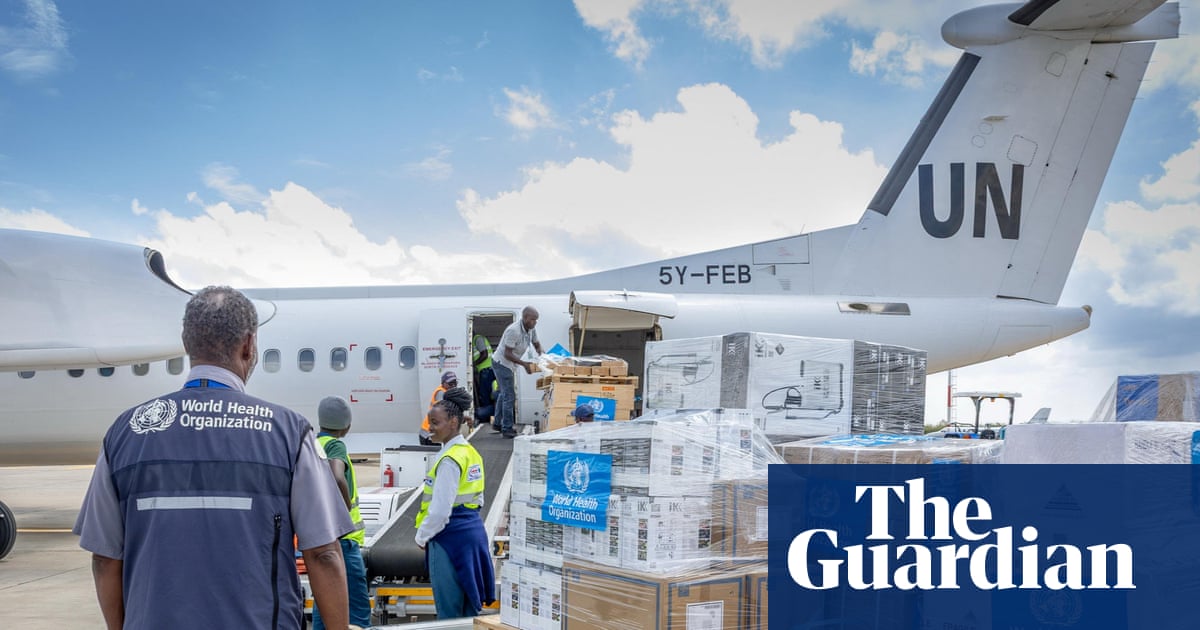
The international community is already responding to the crisis. WHO has dispatched 18 tonnes of emergency medical supplies to affected areas and is currently evaluating available vaccine candidates and treatment options. An expert panel led by WHO is set to meet to discuss vaccination options for the new epidemic. The DRC plans to open three Ebola treatment centers to accommodate the rising number of patients.
The United States has already implemented security measures and is screening passengers from affected areas. One American citizen who contracted Ebola in the DRC has been evacuated to Germany for specialized treatment. Travel warnings and entry restrictions for non-US citizens who have recently been in affected regions have been imposed. These measures affect not only the DRC but also Uganda and South Sudan.
The Bundibugyo strain of Ebola virus is one of several known variants of the pathogen and was first identified in Uganda in 2007. Like other Ebola strains, it causes severe hemorrhagic fever with high mortality rates. Transmission occurs through direct contact with bodily fluids of infected persons or animals. The rapid spread in the current epidemic is of particular concern to health authorities.
Experts warn that the outbreak is unlikely to be contained within two months. The geographical spread across national borders and the involvement of the Congolese capital significantly increase the complexity of containment efforts. WHO and its partners are working intensively to prevent further spread and strengthen treatment capacities in affected areas.
The declaration of a global health emergency enables WHO to coordinate international resources and issue recommendations for travel and trade restrictions. This measure has been used in the past only for the most serious health crises, including the COVID-19 pandemic and previous Ebola outbreaks. The current situation requires rapid and coordinated international response to prevent further regional or global spread.
Health officials are particularly concerned about the outbreak reaching Kinshasa, given its dense population and potential for rapid transmission. The city serves as a major transportation hub for the region, raising fears that the virus could spread to other countries more easily. Emergency committee meetings are being held to coordinate the international response and ensure that adequate resources are deployed to contain the outbreak.
The Bundibugyo strain has historically shown high case fatality rates, though exact figures for the current outbreak are still being determined as laboratory confirmations continue. The WHO and partner organizations are working to establish robust surveillance systems to track the spread and ensure that all suspected cases are properly identified and isolated.
Fast take
The World Health Organization (WHO) has declared the current Ebola outbreak in the Democratic Republic of Congo and Uganda a global health emergency.
NOFRAME signal
Stable coverage · 14 Sources · 4 Regions
What remains open
The source picture is relatively consistent. That still makes the details worth reading: small differences in wording, omissions, and source selection can reveal what each region treats as important.
Dossier compass
Which media spaces carry the story and how broad the source base is.
Source mix
Underlit angles
- Details on US evacuation and travel restrictions
- Specific treatment center plans
- Vaccine evaluation and treatment options
Open originals
Go straight to the linked articles. NOFRAME does not replace those sources.
Why it matters
The source picture is relatively consistent. That still makes the details worth reading: small differences in wording, omissions, and source selection can reveal what each region treats as important.
Timeline
The Guardian · May 19, 2026 at 11:00 AM
WHO official warns Ebola outbreak unlikely to be over in two months as cases and deaths rise in DRC
Straits Times · May 19, 2026 at 11:13 AM
Ebola deaths in eastern Congo rise to 131 as outbreak spreads
Globe and Mail · May 19, 2026 at 11:31 AM
WHO chief concerned by 'scale and speed' of Ebola epidemic as cases rise
Africa News · May 19, 2026 at 11:38 AM
Ebola crisis in Congo: over 130 dead as WHO mobilizes supplies