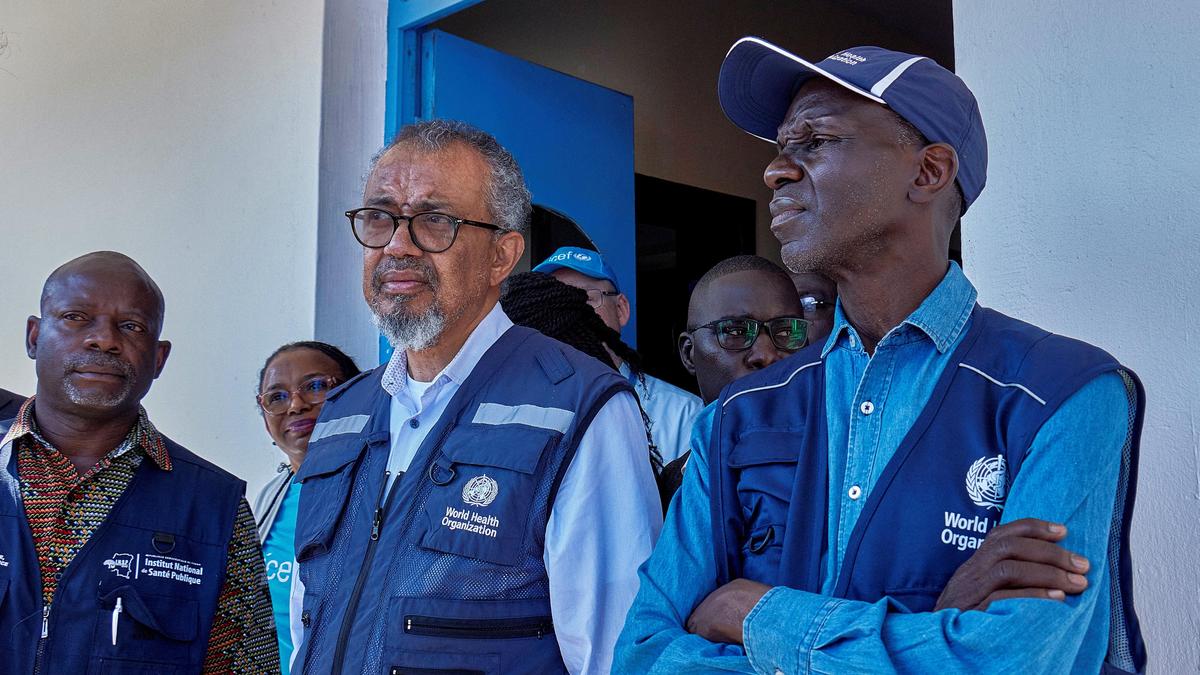
The World Health Organization has announced a significant breakthrough in the fight against the latest Ebola outbreak in the Democratic Republic of Congo, reporting the recovery of five patients from a rare strain of the virus. This encouraging development coincided with the opening of a new treatment center in eastern Congo, which was personally attended by WHO Director-General Tedros Adhanom Ghebreyesus.
The current Ebola outbreak was declared a global health emergency by the WHO on May 17, following reports that more than 220 people were suspected to have died from the disease. The situation in eastern Congo presents particular challenges, as this outbreak involves a rare strain of Ebola for which no approved treatment or vaccine is currently available. This makes the recovery of the five patients a remarkable medical achievement under extremely difficult circumstances.
The newly opened treatment center represents both progress and resilience in international health efforts in the region. The facility had to be rebuilt after protesters burned down a previous treatment center earlier this month, highlighting the ongoing tensions between local communities and international health authorities. Such incidents often stem from mistrust and misinformation about Ebola treatments, reflecting deeper issues of community engagement in health interventions.
Eastern Congo has been plagued by recurring Ebola outbreaks for years, making it one of the most challenging locations for disease containment efforts worldwide. The region's geographic isolation, political instability, and limited health infrastructure significantly complicate outbreak response efforts. Additionally, cultural factors and suspicion toward foreign health workers have manifested in violent protests against treatment facilities, as evidenced by the recent burning of the previous center.
The presence of WHO Director-General Tedros at the facility's opening underscores the international priority placed on containing this outbreak. His personal attendance serves multiple purposes: demonstrating high-level commitment to the response effort, potentially building trust with local communities, and highlighting the importance of international cooperation in addressing global health emergencies.
The recovery of five patients offers hope in an otherwise dire situation. Without available standard treatments or vaccines, medical teams must rely on experimental therapies and supportive care. The fact that patients have recovered despite these limitations could provide valuable insights for future treatment approaches and may help inform the development of new therapeutic strategies for this particular strain.
The WHO and other international organizations continue working to contain the outbreak and prevent further transmission. This involves comprehensive contact tracing, quarantine measures, and community education efforts. However, implementing these measures in an environment characterized by conflict and mistrust presents ongoing challenges that require careful navigation and cultural sensitivity.
Community resistance to Ebola response efforts has been a persistent problem in eastern Congo. The burning of treatment facilities reflects deep-seated concerns about foreign intervention and medical practices that may conflict with local beliefs and traditions. Addressing these concerns requires sustained engagement with community leaders and transparent communication about treatment methods and outcomes.
The current outbreak's designation as a global health emergency reflects its potential for international spread and the severity of the situation. This classification enables enhanced international coordination and resource mobilization, but also places additional pressure on response teams to demonstrate rapid progress in containment efforts.
Looking ahead, the situation remains fluid and requires continued vigilance. While the recovery of five patients and the opening of the new treatment center represent positive developments, the overall outbreak continues to pose serious public health risks. The international community must maintain its commitment to providing resources and expertise to address this outbreak while also working to strengthen long-term health systems in the region to prevent future epidemics.
Fast take
The World Health Organization has announced a significant breakthrough in the fight against the latest Ebola outbreak in the Democratic Republic of Congo, reporting the recovery of five patients from a rare strain of the virus.
NOFRAME signal
Stable coverage · 4 Sources · 3 Regions
What remains open
The source picture is relatively consistent. That still makes the details worth reading: small differences in wording, omissions, and source selection can reveal what each region treats as important.
Dossier compass
Which media spaces carry the story and how broad the source base is.
Source mix
Underlit angles
- Details about experimental treatment methods
- Specific challenges of the rare Ebola strain
- Details about protests and community resistance
Open originals
Go straight to the linked articles. NOFRAME does not replace those sources.
Why it matters
The source picture is relatively consistent. That still makes the details worth reading: small differences in wording, omissions, and source selection can reveal what each region treats as important.
Timeline
ABC News · May 31, 2026 at 11:44 AM
WHO chief hails 5 Ebola recoveries as a new treatment center opens in eastern Congo
The Hindu · May 31, 2026 at 01:21 PM
WHO hails five Ebola recoveries as new treatment centre opens in eastern Congo
Al Jazeera · May 31, 2026 at 01:57 PM
World Health Organization hails recovery of five Ebola patients
Africa News · May 31, 2026 at 02:58 PM
WHO chief attends opening of Ebola treatment centre in eastern Congo