The World Health Organization has dramatically escalated its risk assessment for the ongoing Ebola outbreak in the Democratic Republic of Congo, upgrading the threat level from 'high' to 'very high' at the national level. This decision comes in response to the rapid spread of the virus and an alarming increase in case numbers within just one week.
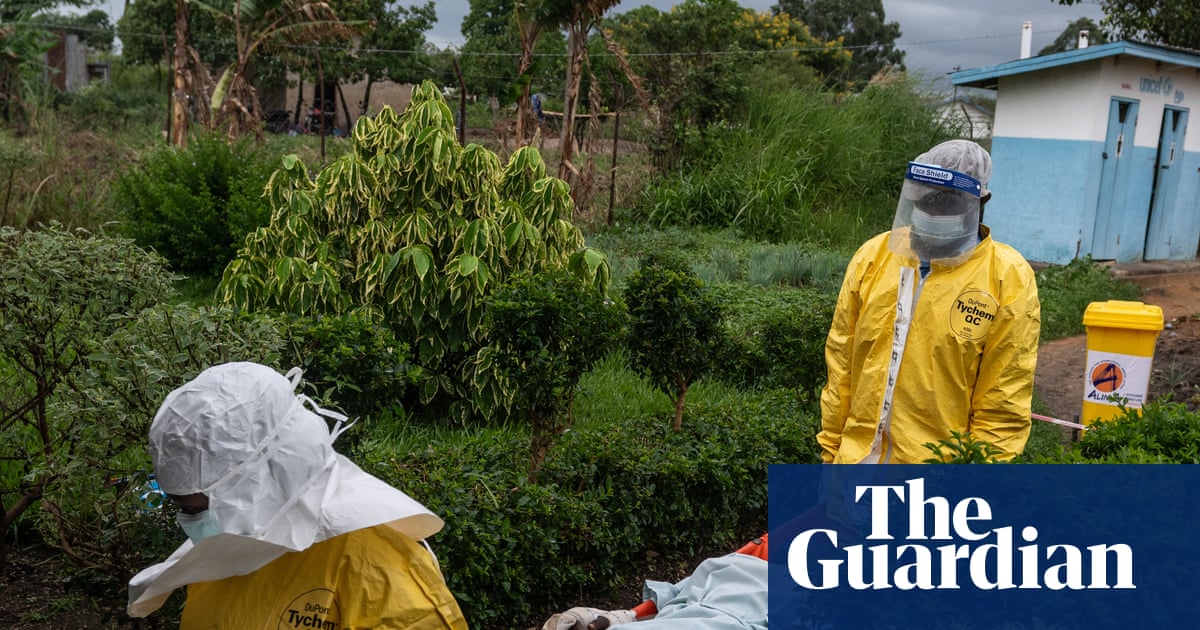
WHO Director-General Tedros Adhanom Ghebreyesus described the current situation as 'deeply worrisome', with the numbers painting a stark picture of the outbreak's acceleration. When first reported just one week earlier, the outbreak involved 246 suspected cases and 65 deaths. These figures have now surged to nearly 750 suspected cases and 177 suspected deaths, demonstrating the alarming speed at which the virus is spreading through affected communities.
The outbreak is particularly concerning because it involves the Bundibugyo strain of Ebola, for which no approved vaccine or specific treatment is currently available. This absence of proven medical interventions significantly complicates containment efforts and makes rapid response measures all the more critical. The WHO has already declared this outbreak an emergency of international concern, underscoring the severity of the situation.
The epicenter of the outbreak is located in Ituri province in eastern Democratic Republic of Congo. Local authorities have already implemented preventive measures, including banning public gatherings to prevent further spread of the virus. These prevention measures are crucial given that Ebola spreads through direct contact with bodily fluids of infected individuals, making crowd control an essential component of containment strategies.
While the WHO rates the risk as 'very high' at the national level within the Democratic Republic of Congo, the assessment remains 'high' at the regional level and 'low' at the global level. However, WHO officials are strongly cautioning against underestimating the danger of cross-border transmission. Mohamed Yakub Janabi, WHO Regional Director for Africa, emphasized that just one case could be sufficient to spread the virus beyond Congo's borders, particularly to neighboring Uganda.
The challenges facing containment efforts are multifaceted and complex. Health workers are battling not only the virus itself but also structural problems including cuts to aid funding and community distrust. These factors significantly hamper the work of responders and complicate both patient treatment and community education efforts. The combination of limited resources and social barriers creates a particularly challenging environment for outbreak response.
Neighboring countries have begun intensifying their preparedness measures in response to the regional threat. Tanzania, for example, has conducted rapid assessments of proximity and interaction with outbreak areas in Congo and Uganda to identify regions at highest risk and implement appropriate countermeasures. Such proactive steps are essential for preventing regional spread and maintaining effective surveillance systems.
The international community is monitoring developments with considerable attention, given the historical precedent of Ebola outbreaks. The 2014-2016 West Africa outbreak, which claimed over 11,000 lives, demonstrated how quickly the virus can spread when response measures are inadequate or delayed. That experience highlighted the critical importance of rapid, coordinated international responses to contain such outbreaks before they become regional or global threats.
Health officials are particularly concerned about the rapid escalation in case numbers, which suggests that current containment measures may be insufficient to control the outbreak's spread. The tripling of suspected cases within a single week indicates that the virus is finding new transmission pathways and that community spread may be more extensive than initially understood.
The current situation demands enhanced international support for the Democratic Republic of Congo, both in terms of medical resources and expertise in managing Ebola outbreaks. Simultaneously, neighboring countries must strengthen their surveillance and prevention measures to prevent regional spread. The coming weeks will be crucial in determining whether the outbreak can be contained or whether the situation will continue to deteriorate, potentially requiring even more extensive international intervention and support.
Fast take
The World Health Organization has dramatically escalated its risk assessment for the ongoing Ebola outbreak in the Democratic Republic of Congo, upgrading the threat level from 'high' to 'very high' at the national level.
NOFRAME signal
Stable coverage · 12 Sources · 4 Regions
What remains open
The source picture is relatively consistent. That still makes the details worth reading: small differences in wording, omissions, and source selection can reveal what each region treats as important.
Dossier compass
Which media spaces carry the story and how broad the source base is.
Source mix
Underlit angles
- Detailed analysis of structural challenges
- Specific measures by neighboring countries
- Detailed case number development
Open originals
Go straight to the linked articles. NOFRAME does not replace those sources.
Why it matters
The source picture is relatively consistent. That still makes the details worth reading: small differences in wording, omissions, and source selection can reveal what each region treats as important.
Timeline
BBC World · May 22, 2026 at 03:07 PM
Ebola risk raised to 'very high' in DR Congo
Al Jazeera · May 22, 2026 at 03:19 PM
WHO raises Ebola public health risk to ‘very high’ in DR Congo
The Guardian · May 22, 2026 at 03:47 PM
Suspected Ebola cases triple in a week as WHO warns of rapid spread in DRC
Dawn · May 22, 2026 at 03:55 PM
Ebola risk now at highest level in DR Congo, says WHO