The US Citizenship and Immigration Services (USCIS) announced on Friday a sweeping policy change that could significantly impact millions of foreigners currently in the United States. The new directive requires most individuals seeking permanent residency to leave the country and apply for immigrant visas from their home countries, marking a dramatic shift in decades-old immigration procedures.
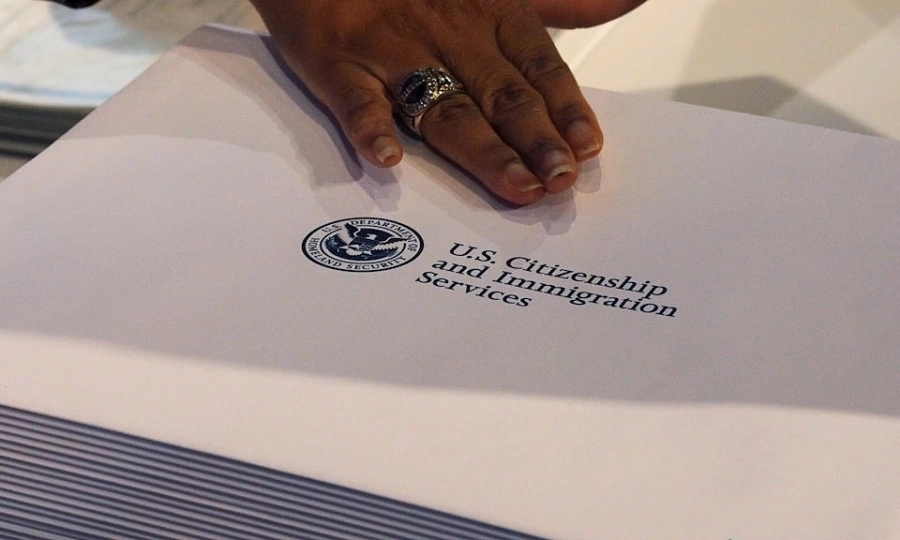
The policy severely restricts the long-established 'adjustment of status' process, which previously allowed people already in the US on temporary visas to apply for Green Cards without having to leave the country. This procedure had been particularly important for international students, tourists, and temporary workers, providing them with stability and continuity during the application process.
In a policy memorandum, USCIS stated that applicants currently in the US on temporary visas would generally be expected to pursue Green Cards through consular processing overseen by the State Department. USCIS spokesperson Zach Kahler justified the change by explaining that having Green Card seekers apply from their home nations 'reduces the need to find and remove those who decide to slip into the shadows and remain in the US illegally after being denied residency.'
The announcement represents a consequential pivot from decades of established practice and forms part of President Donald Trump's comprehensive immigration crackdown. Immigration experts warn of far-reaching ramifications for legal immigration pathways, as the new process is not only more time-consuming and expensive but also introduces additional uncertainties for applicants.
International students who hoped to remain and work in the US after graduation are among those most affected by the change. Also impacted are skilled workers on temporary employment visas who have spent years building careers and establishing families in America. The new policy forces these individuals to disrupt their established lives and face uncertain waiting periods in their home countries.
Immigration advocacy groups have strongly criticized the measure, arguing that it not only restricts existing legal pathways but also creates significant practical problems. Applicants must now bear the costs of travel and extended stays abroad while also accepting the risk that their applications could be denied, potentially preventing their return to the US.
The economic implications of the new policy could be substantial. Many US companies rely heavily on international talent and may struggle to retain or attract qualified employees if they are forced to leave the country for indefinite periods. This could particularly impact sectors like technology, healthcare, and academia that depend on skilled foreign workers.
The business community has expressed concerns about the potential disruption to operations and the competitive disadvantage this might create compared to other countries with more streamlined immigration processes. Some companies may need to reconsider their hiring strategies or relocate operations to countries where their international employees can work without such restrictions.
It remains unclear how quickly the new policy will be implemented and whether there will be transitional provisions for cases already in progress. The impact on processing times at US consulates worldwide is also uncertain, as many are already experiencing significant backlogs and staffing challenges.
Consular processing typically involves additional steps including medical examinations, background checks, and interviews at US embassies or consulates. These facilities in many countries are already overwhelmed, potentially leading to even longer waiting times for applicants forced to use this route.
The announcement comes as part of a series of measures by the Trump administration to tighten immigration policies across multiple categories. Critics view this as a systematic attempt to reduce both legal and illegal immigration, while supporters argue that stricter controls are necessary to maintain the integrity of the immigration system and prioritize American workers.
Legal challenges to the new policy are expected, with immigration attorneys arguing that the change may violate due process rights and established legal precedents. The full impact of this policy shift will likely unfold over the coming months as affected individuals and organizations adapt to the new requirements.
Fast take
The US Citizenship and Immigration Services (USCIS) announced on Friday a sweeping policy change that could significantly impact millions of foreigners currently in the United States.
NOFRAME signal
Stable coverage · 7 Sources · 3 Regions
What remains open
The source picture is relatively consistent. That still makes the details worth reading: small differences in wording, omissions, and source selection can reveal what each region treats as important.
Dossier compass
Which media spaces carry the story and how broad the source base is.
Source mix
Underlit angles
- Limited focus on economic implications
- Restricted coverage of advocacy group criticism
- Less detailed coverage of procedural changes
Open originals
Go straight to the linked articles. NOFRAME does not replace those sources.
Why it matters
The source picture is relatively consistent. That still makes the details worth reading: small differences in wording, omissions, and source selection can reveal what each region treats as important.
Timeline
Dawn · May 23, 2026 at 01:07 AM
Green card seekers must leave US first
Japan Times · May 23, 2026 at 01:53 AM
Trump to make foreign nationals leave U.S. to apply for green cards
The Hindu · May 23, 2026 at 02:54 AM
U.S. Green Card seekers must now apply from home countries
VnExpress Intl · May 23, 2026 at 02:55 AM
US tells foreigners seeking green cards: Return to your countries to apply