The United States on Friday imposed new tariffs on imports from roughly 60 trading partners, with duties ranging from 10 to 12.5 percent. The affected countries collectively account for nearly all U.S. import trade and include the European Union, China, Russia, Australia, Pakistan, and Nigeria. The U.S. government justified the measure by alleging that these countries had failed to adequately curb the import of goods produced through forced labor.
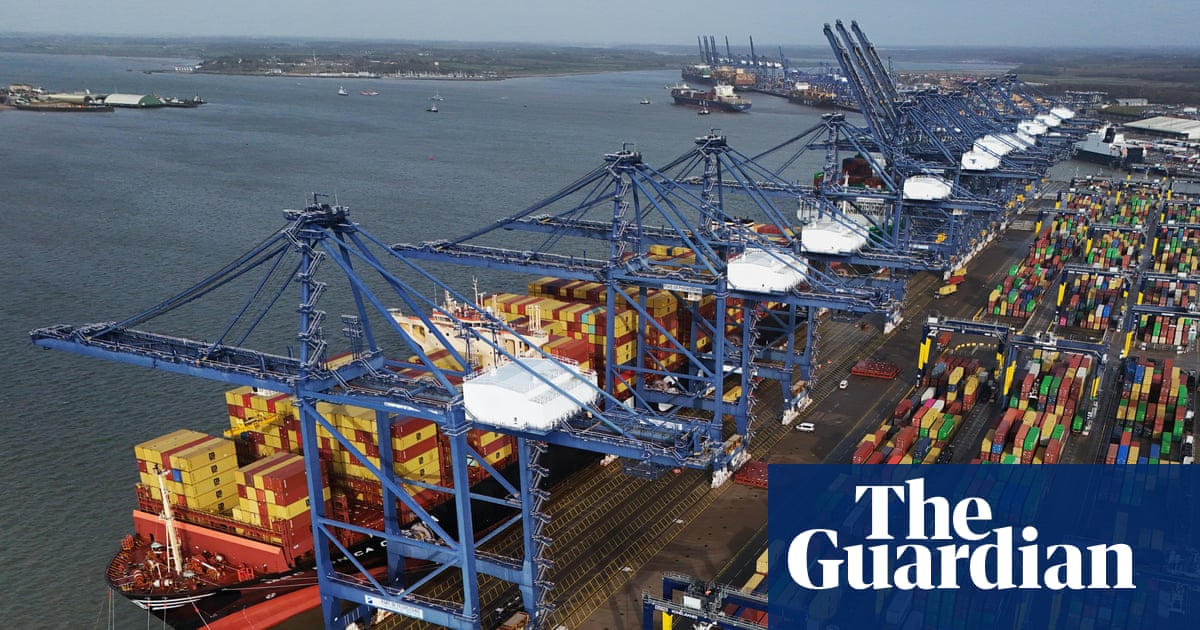
The new tariffs replace a temporary 10 percent global tariff that had expired after 150 days. That interim tariff had been introduced after the U.S. Supreme Court struck down earlier, broader tariff measures imposed by President Donald Trump. Under the new approach, the administration is relying on Section 301 of U.S. trade law, which grants it wider legal latitude to justify trade restrictions.
The announcement was made late Thursday by U.S. Trade Representative Jamieson Greer. According to multiple news agencies, tariff rates vary by country, with most partners facing either 10 percent or 12.5 percent duties. The overall tariff structure has been described as complex, featuring numerous country-specific exemptions and sector-based rules.
Several affected governments responded with sharp criticism. Australia's trade minister called the tariffs "completely unjustified." The European Union also rejected the forced labor allegations. In multiple countries, the U.S. justification was portrayed as unconvincing or inconsistent, given that some targeted nations have long been considered trading partners with established labor standards.
In Nigeria, the announcement of a 12.5 percent tariff on Nigerian imports drew significant domestic attention, as the country is now among the sanctioned economies. Similar reactions emerged in Pakistan, where officials are assessing the impact on the export sector. In Russia, the tariffs were framed as part of a broader set of U.S. economic measures targeting the country.
Observers view the new legal approach as an attempt by the Trump administration to place its trade policy on firmer legal footing after earlier emergency tariffs failed in court. Whether this new tariff justification will withstand legal challenges remains unclear. Several commentators noted that using forced labor allegations as the basis for such broad tariffs is an unusual approach not previously applied at this scale.
The economic consequences of the new tariffs are expected to vary by country, depending on the structure of each nation's export economy and the share of affected goods. Analysts also point to potential effects on global supply chains and on U.S. relations with longstanding allies. How affected countries will respond further—through diplomatic protest, negotiation, or possible countermeasures—remains to be seen.
The situation continues to develop as international reactions and potential legal challenges to the new tariffs are being monitored. No unified international position has yet emerged on how to respond to the U.S. measure.
Fast take
The United States on Friday imposed new tariffs on imports from roughly 60 trading partners, with duties ranging from 10 to 12.
NOFRAME signal
Stable coverage · 17 Sources · 5 Regions
What remains open
The source picture is relatively consistent. That still makes the details worth reading: small differences in wording, omissions, and source selection can reveal what each region treats as important.
Dossier compass
Which media spaces carry the story and how broad the source base is.
Source mix
Underlit angles
- Detailed legal basis of Section 301
- Reactions of individual affected countries beyond China
- Economic details on other affected states
Open originals
Go straight to the linked articles. NOFRAME does not replace those sources.
Why it matters
The source picture is relatively consistent. That still makes the details worth reading: small differences in wording, omissions, and source selection can reveal what each region treats as important.
Timeline
The Guardian · July 24, 2026 at 12:43 PM
First Thing: Trump imposes fresh tariffs on UK, EU and dozens of other trading partners
TRT World · July 24, 2026 at 12:57 PM
'I mean we have paid vacations' – Trump's forced labour tariffs spark backlash from US allies
DW News · July 24, 2026 at 01:01 PM
Why Trump's 'forced labor' tariffs leave the world puzzled
Punch Nigeria · July 24, 2026 at 01:50 PM
FULL LIST: 16 countries chasing WAFCON 2026 glory