International Atomic Energy Agency (IAEA) chief Rafael Grossi will brief the UN Security Council on the unprecedented drone attack against the Barakah nuclear power plant in the United Arab Emirates. The May 17 attack marked the first strike on a nuclear facility in the Gulf region since regional conflicts began.
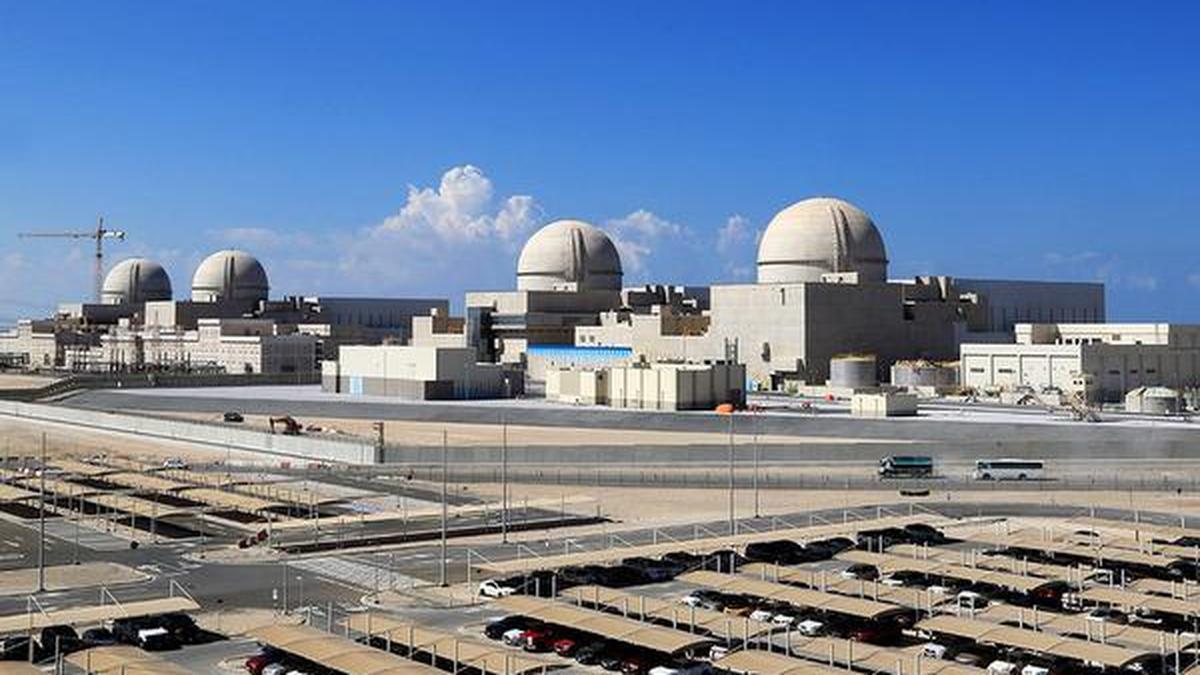
The unclaimed drone struck an electrical generator outside the inner security perimeter of the facility in the Al Dhafra region of Abu Dhabi emirate. The impact caused a fire but resulted in no injuries or radiation leaks. The Barakah plant represents the Arab world's first nuclear power facility and serves as a flagship project for the UAE's strategy to diversify away from fossil fuels.
Grossi expressed grave concern following the incident about the potential consequences of direct attacks on nuclear installations. He warned that a direct strike on the power plant could lead to severe radioactive consequences. The IAEA reported that external power supply to the facility has since been restored, though the situation remains of serious concern.
The UN Security Council condemned the attack, underscoring international worry about nuclear facility security in conflict zones. A spokesperson for UN Secretary-General António Guterres confirmed that Grossi will inform the body about details of the incident.
The Emirati defense ministry announced that the drones used in the attack originated from outside UAE territory. No group has claimed responsibility for the strike, raising questions about the perpetrators and their motives. The UAE finds itself in a region marked by various conflicts, including the ongoing war in Yemen.
Emirati officials assured that the country's energy ambitions would not be impacted by the attack. The Barakah plant remains fully operational, with authorities emphasizing their determination to maintain energy security. Simultaneously, the UAE reserved the right to respond to the attack without announcing specific retaliatory measures.
The incident raises critical questions about the vulnerability of essential infrastructure in conflict regions. Nuclear facilities are considered particularly sensitive targets due to their potentially catastrophic effects if damaged. The international community has repeatedly emphasized that attacks on civilian nuclear installations violate international law.
The Barakah facility was constructed using South Korean technology and serves as a cornerstone of the UAE's strategy to reduce dependence on oil and gas. The plant is designed to supply a significant portion of the country's electricity needs and represents a symbol of the Gulf monarchy's technological ambitions.
The attack occurs amid heightened regional tensions and underscores challenges in protecting critical infrastructure from asymmetric threats like drone strikes. The international atomic energy community is closely monitoring developments, as the incident could set precedents for nuclear facility security in unstable regions.
The timing of the briefing reflects the seriousness with which international bodies view threats to nuclear infrastructure. The IAEA has consistently advocated for the protection of nuclear facilities during conflicts, emphasizing that such installations must never become military targets regardless of political disputes.
This incident highlights the evolving nature of security threats in the modern era, where relatively inexpensive drone technology can potentially threaten even the most sophisticated infrastructure. The international response will likely influence future security protocols for nuclear facilities worldwide, particularly those located in regions experiencing ongoing conflicts or tensions.
Fast take
International Atomic Energy Agency (IAEA) chief Rafael Grossi will brief the UN Security Council on the unprecedented drone attack against the Barakah nuclear power plant in the United Arab Emirates.
NOFRAME signal
High divergence · 5 Sources · 3 Regions
What remains open
This matters because the event itself is only part of the story. 3 media regions frame it with noticeably different priorities. Details that remain stable across those boundaries are more robust; details that appear in only one region need context.
Dossier compass
Which media spaces carry the story and how broad the source base is.
Source mix
Underlit angles
- Details about possible perpetrators or regional conflict causes
- Specific security measures of the facility
- International condemnation and political reactions
Open originals
Go straight to the linked articles. NOFRAME does not replace those sources.
Why it matters
This matters because the event itself is only part of the story. 3 media regions frame it with noticeably different priorities. Details that remain stable across those boundaries are more robust; details that appear in only one region need context.
Timeline
Middle East Eye · May 19, 2026 at 05:48 PM
IAEA chief to brief UN Security Council on UAE nuclear plant attack
TRT World · May 19, 2026 at 09:07 PM
UN nuclear chief warns of severe radiation risk after drone strike on UAE plant
The Hindu · May 19, 2026 at 10:08 PM
UN Security Council condemns attack on UAE nuclear plant
TASS · May 19, 2026 at 10:26 PM
External power supply restored at UAE’s Barakah nuclear plant — IAEA chief