Iran has put forward a proposal to reopen the Strait of Hormuz and end armed hostilities across the Middle East within seven days. Iranian Foreign Minister Abbas Araghchi disclosed the plan on the sidelines of the United Nations General Assembly in New York, where he remained for several days awaiting a response from the United States. The proposal affects not only Washington but also regional states such as Lebanon and Yemen, as well as international trading partners that rely on the Strait of Hormuz as a critical route for oil shipments. Its significance stems from the strait's outsized role in global energy transport and the wider security implications of ongoing regional conflict.
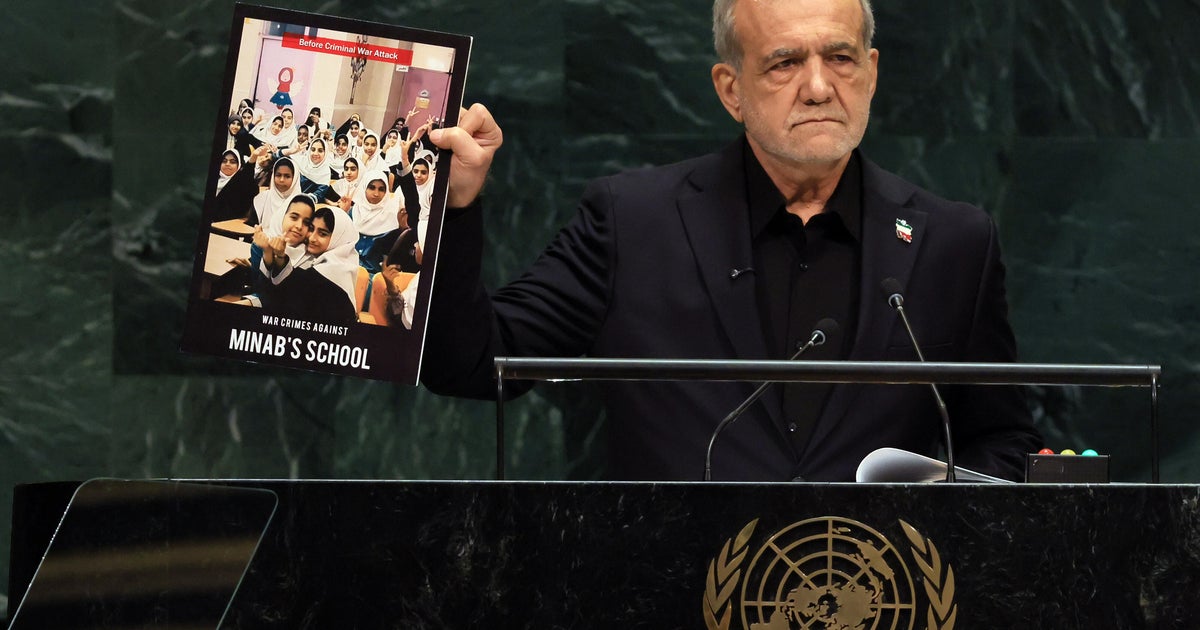
According to multiple international outlets, including reporting attributed to The New York Times citing Araghchi, the plan calls for a seven-day halt to all hostilities in the Middle East, including fighting in Lebanon. Iranian President Masoud Pezeshkian told the UN General Assembly that the Strait of Hormuz would not be used to "impose insecurity" on Iran, adding that "warfare knows no borders" — a remark seen as underscoring how the conflict's effects extend beyond Iran and the US to countries such as Lebanon and Yemen.
According to reports, Mohsen Rezaei, secretary of Iran's Supreme National Security Council, said in a television interview that the United States had four to five days to respond to Tehran's conditions for reopening the strait. This previously undisclosed timeframe drew attention, as it remains unclear what action Iran might take if Washington does not respond. British Foreign Secretary Ed Miliband met his Iranian counterpart Araghchi for the first time on the sidelines of the United Nations, a development seen as a sign of diplomatic movement.
According to Iran's Revolutionary Guard Corps (IRGC), ending hostilities in Yemen is also among Tehran's demands. Araghchi said talks should begin only after the Strait of Hormuz is reopened, adding that he was not in a hurry but was waiting for a response from the American side. CBS News reported that Iran's leadership is seeking a deal with the US before November's midterm elections. Al Jazeera placed the timing of the proposal in the context of rising fuel prices, which it said are creating political pressure on President Donald Trump ahead of the vote.
On the European side, European Council President António Costa spoke after meeting Pezeshkian on the sidelines of the General Assembly. Costa described the discussion as "frank and substantial" and called for an end to "Iran's strikes against its neighbours" as well as the full restoration of freedom of navigation in the Strait of Hormuz. He also urged Iran to resume cooperation with the International Atomic Energy Agency (IAEA). Costa said dialogue was the only way to resolve conflicts and ensure lasting peace in the region, adding that the EU stood ready to support ongoing diplomatic efforts.
Other regional actors also weighed in. Qatar's Emir, Sheikh Tamim bin Hamad Al Thani, called for the reopening of the Strait of Hormuz during his address to the UN General Assembly and pushed back against any form of "bargaining" over the waterway. Earlier, Araghchi held talks with senior European diplomats in New York that, according to TRT World, focused on ending the war and ensuring unrestricted navigation through both the Strait of Hormuz and the Bab al-Mandab strait.
It remains unclear how the US government will formally respond to Iran's proposal. Reports differ on details, including whether the stated timeframe constitutes a formal ultimatum with consequences or simply a political statement. The exact sequencing of the plan's steps — for instance, whether the strait would reopen before or after a ceasefire — is also not consistently described across available reporting. Additionally, the role Israel, a central party to the broader conflict, would play in any resulting negotiations is not addressed in current accounts.
The coming days are likely to reveal whether Washington engages with Iran's proposal and whether actual negotiations toward de-escalation in the Middle East follow. Meanwhile, the international community — particularly the European Union and Gulf states such as Qatar — continues to press for a diplomatic resolution and the restoration of free trade through the strategically vital waterway.
Fast take
Iran has put forward a proposal to reopen the Strait of Hormuz and end armed hostilities across the Middle East within seven days.
NOFRAME signal
Stable coverage · 8 Sources · 3 Regions
What remains open
The source picture is relatively consistent. That still makes the details worth reading: small differences in wording, omissions, and source selection can reveal what each region treats as important.
Dossier compass
Which media spaces carry the story and how broad the source base is.
Source mix
Underlit angles
- No notable omissions in the current source comparison.
Open originals
Go straight to the linked articles. NOFRAME does not replace those sources.
Why it matters
The source picture is relatively consistent. That still makes the details worth reading: small differences in wording, omissions, and source selection can reveal what each region treats as important.
Timeline
Channel News Asia · September 25, 2026 at 10:53 AM
Iran proposes reopening Hormuz within seven days: Media
Geo News · September 25, 2026 at 12:33 PM
Iran proposes reopening Hormuz, ending war within seven days
Al Jazeera · September 25, 2026 at 12:49 PM
What’s in Iran’s seven-day plan to reopen the Strait of Hormuz?
CBS News · September 25, 2026 at 01:45 PM
Iran proposes a 7-day plan to reopen the Strait of Hormuz