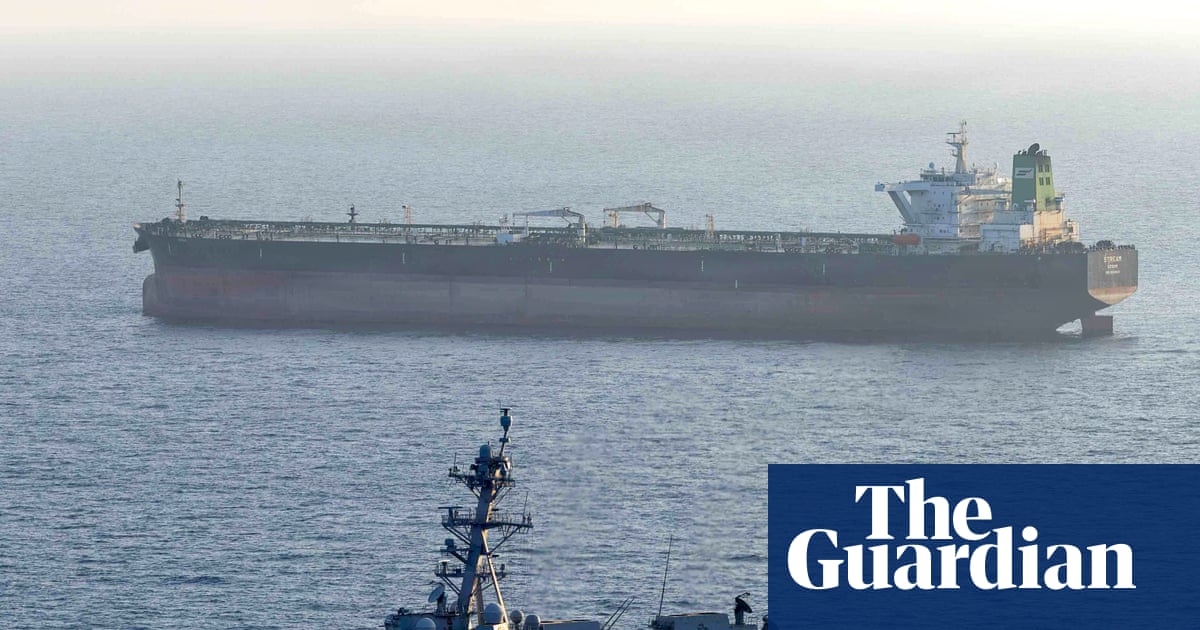
Iran has sharply rejected a US-backed draft resolution at the UN Security Council concerning the Strait of Hormuz, escalating diplomatic tensions over one of the world's most critical shipping routes. Iran's deputy foreign minister for legal and international affairs, Kazem Gharibabadi, criticized the proposal as an attempt by Washington to shift the terms of the crisis.
Gharibabadi accused the United States of trying to turn the consequences of what he described as military aggression and an illegal siege into a case against Iran. Writing on social media platform X, he argued that invoking "freedom of navigation" while ignoring the US role in the crisis was hypocritical. The Iranian diplomat characterized the allegations against Iran contained in the draft resolution as baseless.
Concurrently with Iran's rejection of the UN resolution, the United States has intensified diplomatic efforts with key allies. US Secretary of State Marco Rubio held separate phone calls with British Foreign Secretary Yvette Cooper and Australian Foreign Minister Penny Wong. According to the State Department, the diplomats discussed "Iran and ongoing efforts to restore freedom of navigation in the Strait of Hormuz."
These discussions come amid continued disruption to global shipping and energy flows linked to the conflict involving Iran. A meeting of defense ministers from around 40 countries is planned, to be co-chaired by British Defense Secretary John Healey and French counterpart Catherine Vautrin. The coalition meeting reflects the international scope of concern over the maritime crisis.
Meanwhile, Iran has warned European countries against sending warships to the Strait of Hormuz. Iranian foreign ministry spokesperson Esmaeil Baghaei argued that any European involvement would only push energy prices higher and create additional complications in an already delicate situation. This warning underscores Iran's determination to limit foreign military presence in the region.
The Strait of Hormuz serves as a critical chokepoint for global oil trade, with approximately one-fifth of the world's oil shipments passing through this waterway. Any disruption to navigation in the strait has immediate implications for global energy markets and can cause significant price volatility in crude oil and other energy commodities.
Analysts warn that neither the United States nor Iran can sustain the current standoff indefinitely. The ongoing crisis has already created substantial economic pressures, with uncertainty over shipping routes affecting global supply chains. For Iran, the situation represents an additional burden on an economy already weakened by international sanctions.
The international community is watching developments with growing concern, as an escalation of the conflict could have far-reaching consequences for the global economy. The planned multilateral talks between defense ministers from various countries demonstrate the extent of international worry about the situation.
Despite diplomatic efforts, the positions of the involved parties remain entrenched. Iran insists that the United States bears responsibility for the crisis, while Washington and its allies maintain their focus on restoring free navigation. Recent exchanges of fire between Iran and the US have demonstrated the serious instability of the situation, though US President Donald Trump characterized the American strikes as merely "a love tap."
The economic implications extend beyond energy markets, affecting global trade routes and shipping costs. Insurance premiums for vessels transiting the area have increased significantly, adding to the overall cost of international commerce. The crisis has also highlighted the vulnerability of global supply chains to geopolitical tensions in strategic maritime passages.
Resolving the conflict will likely require complex negotiations that address both the security concerns and economic interests of all involved parties. The involvement of multiple international actors, including European allies and regional partners, suggests that any sustainable solution will need broad international support and careful diplomatic coordination.
Fast take
Iran has sharply rejected a US-backed draft resolution at the UN Security Council concerning the Strait of Hormuz, escalating diplomatic tensions over one of the world's most critical shipping routes.
NOFRAME signal
Medium divergence · 6 Sources · 5 Regions
What remains open
Coverage is not fully split, but it is not identical either. That makes the comparison useful: the fact base shows the common core, while the perspectives show where political, regional, or institutional priorities change the emphasis.
Dossier compass
Which media spaces carry the story and how broad the source base is.
Source mix
Underlit angles
- Detailed analysis of economic impacts
- Long-term sustainability of current situation
- Iran's specific objections to UN resolution
Open originals
Go straight to the linked articles. NOFRAME does not replace those sources.
Why it matters
Coverage is not fully split, but it is not identical either. That makes the comparison useful: the fact base shows the common core, while the perspectives show where political, regional, or institutional priorities change the emphasis.
Timeline
Middle East Eye · May 12, 2026 at 12:17 AM
Iran rejects US-backed UN resolution on Strait of Hormuz
Al-Monitor · May 12, 2026 at 03:36 AM
US top diplomat discusses Iran, Strait of Hormuz with UK and Australia
Straits Times · May 12, 2026 at 03:36 AM
US top diplomat Rubio discusses Iran, Strait of Hormuz with Britain and Australia
Middle East Eye · May 12, 2026 at 03:47 AM
US and UK discuss reopening Strait of Hormuz