Israeli Prime Minister Benjamin Netanyahu has announced that he has ordered the army to expand Israeli control in the Gaza Strip from the current 60 percent to 70 percent of the territory. This directive represents a significant escalation beyond the ceasefire agreement reached in October.
Netanyahu made the announcement during a conference at the Ein Prat pre-military leadership academy. "At this point, we are fully in control of 60 percent of the territory of the Gaza Strip," Netanyahu told attendees. "My directive is to get to 70 percent," he added. When audience members voiced support for full Israeli control over Gaza, Netanyahu did not directly respond to these demands.
The original October ceasefire agreement had stipulated that Israel's military would maintain control over 53 percent of Gaza. The now-announced expansion to 70 percent represents a substantial breach of that arrangement. Netanyahu provided neither details nor a concrete timeline for implementation of the expanded control.
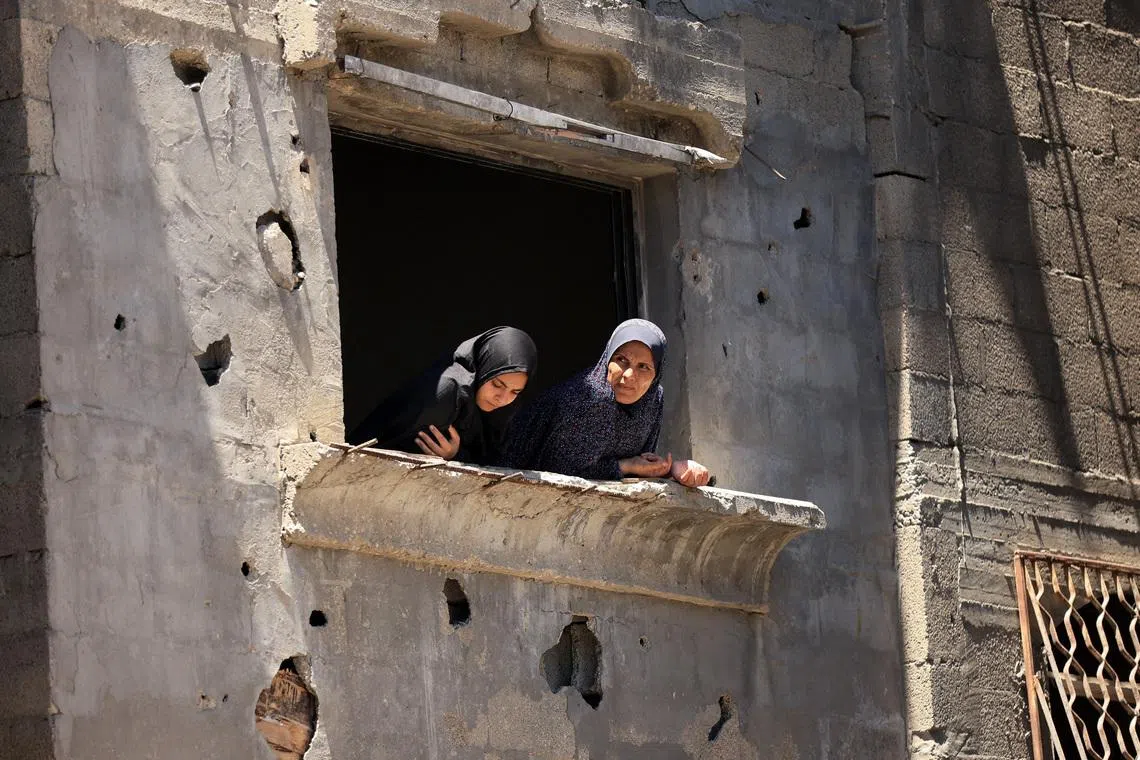
Hamas immediately responded with sharp criticism to Netanyahu's announcement. The organization characterized the planned expansion of Israeli control as a "dangerous escalation." Residents of the Palestinian territory also voiced alarm at the plan, reflecting growing concerns about a possible further deterioration of the security situation.
The announcement drew international criticism as well. EU Commissioner Hadja Lahbib condemned Netanyahu's plans, accusing Israel of cutting off aid access and essential services through shifting military lines. Israel has admitted to controlling approximately 60 percent of Gaza, already exceeding the originally agreed limit.
Parallel to Netanyahu's announcement, Defense Minister Israel Katz made separate statements about long-term plans for Gaza. Katz declared that the government would implement a plan for large-scale Palestinian migration from Gaza "at the right time and in the right manner." This statement came in connection with the targeted killing of Mohammed Odeh, Hamas's most recent military commander.
Human rights groups and lawyers characterize this policy as ethnic cleansing. The defense minister's statements raise questions about Israel's long-term intentions for the Palestinian territory and intensify international concerns about compliance with international law.
The Gaza Government Media Office reports systematic violations of the ceasefire agreement. Since the ceasefire took effect in October, Israel has allegedly committed 3,005 violations of the arrangement. These range from bombings and direct targeting of civilians to destruction of entire residential areas, repeated gunfire, and incursions into residential zones.
The consequences of these alleged violations are severe: over 910 civilians have reportedly been killed, with an additional 2,747 wounded. Additionally, 82 people were abducted and arrested. While these figures cannot be independently verified, they illustrate the scale of ongoing tensions despite the official ceasefire.
The current development significantly threatens the stability of the fragile ceasefire. International observers express growing concern about humanitarian implications and the potential for further regional destabilization. The expansion of Israeli control could lead to renewed outbreaks of violence and undermine efforts toward a lasting peace solution.
The situation highlights the complex challenges facing any sustainable resolution to the conflict. With Israel's military already controlling more territory than originally agreed upon, and with plans for further expansion, the prospects for meaningful negotiations appear increasingly uncertain. The international community faces pressure to respond to what many view as violations of the ceasefire terms while working to prevent a complete breakdown of the fragile peace arrangement.
Fast take
Israeli Prime Minister Benjamin Netanyahu has announced that he has ordered the army to expand Israeli control in the Gaza Strip from the current 60 percent to 70 percent of the territory.
NOFRAME signal
High divergence · 7 Sources · 3 Regions
What remains open
This matters because the event itself is only part of the story. 3 media regions frame it with noticeably different priorities. Details that remain stable across those boundaries are more robust; details that appear in only one region need context.
Dossier compass
Which media spaces carry the story and how broad the source base is.
Source mix
Underlit angles
- Israeli security justifications for control expansion
- Details about Hamas activities in affected areas
- Detailed analysis of ceasefire violations
Open originals
Go straight to the linked articles. NOFRAME does not replace those sources.
Why it matters
This matters because the event itself is only part of the story. 3 media regions frame it with noticeably different priorities. Details that remain stable across those boundaries are more robust; details that appear in only one region need context.
Timeline
Anadolu EN · May 29, 2026 at 01:38 PM
EU commissioner slams Netanyahu’s plans to control 70% of Gaza
Straits Times · May 29, 2026 at 02:54 PM
Hamas calls Netanyahu's plan to expand control in Gaza a dangerous escalation
Al Jazeera · May 29, 2026 at 03:01 PM
Just what are Israel’s long-term plans for Gaza?
Al-Monitor · May 29, 2026 at 03:01 PM
Hamas calls Netanyahu's plan to expand control in Gaza a dangerous escalation