The Israeli Knesset has overwhelmingly passed legislation establishing a special tribunal to prosecute those responsible for the Hamas-led attack of October 7, 2023. The parliament voted 93-0 in favor of the measure, which grants the tribunal authority to impose the death penalty on Palestinians convicted of participating in the attack.
The new law also provides for the possibility of public trials, representing a departure from typical Israeli court practices. The decision reflects broad public support in Israel for severe punishment of those responsible for what is considered the deadliest attack in the country's history.
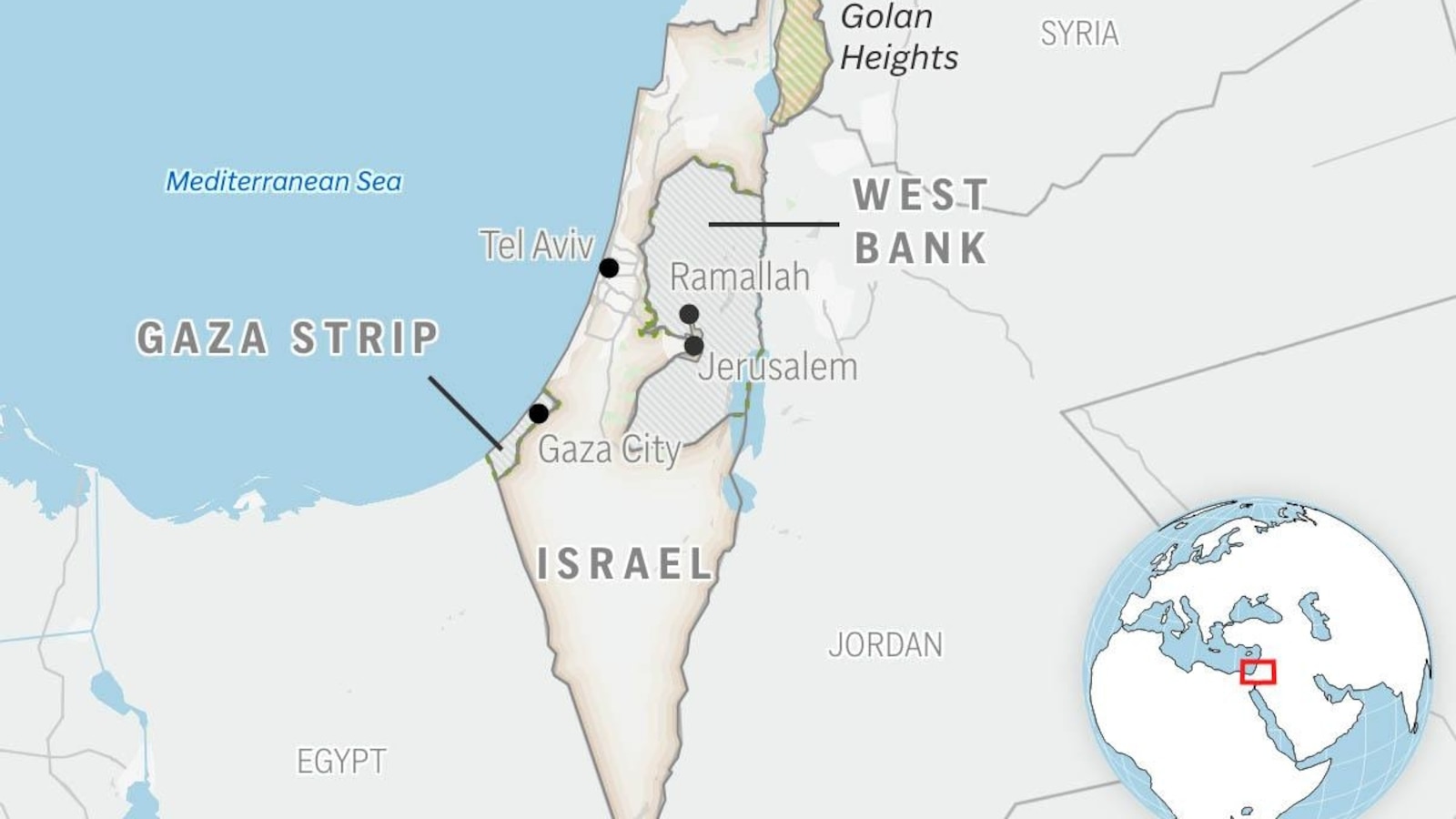
The October 7, 2023 attack was a coordinated assault by Hamas and other Palestinian groups on Israeli territory. Approximately 1,200 people were killed and hundreds were taken hostage during the unprecedented attack. The assault triggered the ongoing war in the Gaza Strip, which has continued for months and claimed thousands of lives on both sides.
Israel has rarely employed capital punishment throughout its history. The last execution took place in 1962, when Nazi war criminal Adolf Eichmann was put to death. While the death penalty was never formally abolished, it has not been carried out since then. The new legislation could change this practice and represents a significant shift in Israeli jurisprudence.
Human rights organizations have already expressed concerns about the new law. They warn that the legislation makes it easier to impose the death penalty and could undermine important guarantees for fair trials. Critics fear that the possibility of public trials could increase pressure on judges and compromise the impartiality of proceedings.
The special tribunal represents a deviation from Israel's regular judicial processes. Typically, such cases would be tried in ordinary courts. The establishment of a special tribunal indicates the extraordinary nature of the October 7 events and the Israeli government's determination to treat them as particularly grave.
The international community is likely to closely monitor the implementation of this law. Many countries have abolished the death penalty or no longer use it, and international human rights organizations regularly criticize the application of capital punishment. Israel's decision could lead to diplomatic tensions, particularly with countries that oppose the death penalty.
The timing of the legislation is also noteworthy. It comes amid ongoing military operations in the Gaza Strip and continued efforts to secure the release of remaining hostages. The passage of the law could be interpreted as a signal of Israel's determination to hold all those responsible for the attack accountable.
The unanimous vote in the Knesset demonstrates the broad consensus among Israeli lawmakers regarding the need for severe punishment for the October 7 attackers. This level of agreement across party lines is relatively rare in Israeli politics and underscores the profound impact the attack had on Israeli society.
Questions remain about how the special tribunal will function in practice and what specific cases will be brought before it. The implementation of the law will reveal whether Israel is actually prepared to resume executions after decades of de facto abolition and how the international community will respond.
The legislation also raises broader questions about the balance between justice and human rights in the context of terrorism and armed conflict. As Israel continues to grapple with the aftermath of the October 7 attack and the ongoing war in Gaza, this new law represents a significant step in the country's legal and political response to the unprecedented assault.
Fast take
The Israeli Knesset has overwhelmingly passed legislation establishing a special tribunal to prosecute those responsible for the Hamas-led attack of October 7, 2023.
NOFRAME signal
Medium divergence · 5 Sources · 3 Regions
What remains open
Coverage is not fully split, but it is not identical either. That makes the comparison useful: the fact base shows the common core, while the perspectives show where political, regional, or institutional priorities change the emphasis.
Dossier compass
Which media spaces carry the story and how broad the source base is.
Source mix
Underlit angles
- Broad parliamentary support for the law
- Historical context of October 7 attack
- Criticism from human rights organizations
Open originals
Go straight to the linked articles. NOFRAME does not replace those sources.
Why it matters
Coverage is not fully split, but it is not identical either. That makes the comparison useful: the fact base shows the common core, while the perspectives show where political, regional, or institutional priorities change the emphasis.
Timeline
BBC World · May 12, 2026 at 04:11 AM
Israel passes law to allow death penalty and public trials for those linked to 7 October
Al Jazeera · May 12, 2026 at 05:03 AM
Israel approves law on public trials, death penalty for October 7 detainees
NPR World · May 12, 2026 at 06:02 AM
Israeli lawmakers set up tribunal, allow for death penalty for October 2023 attackers
ABC News · May 12, 2026 at 07:29 AM
Israeli lawmakers set up a special tribunal and allow for death penalty for Hamas-led 2023 attackers