Chinese President Xi Jinping concluded a three-day state visit to Washington on Friday, meeting with US President Donald Trump in a summit that several international observers described as heavy on ceremony but light on concrete outcomes regarding the two countries' major points of contention. The visit featured notable symbolic moments, including a tour of the National Archives, where America's founding documents are held, and a lavish dinner attended by leading technology executives.
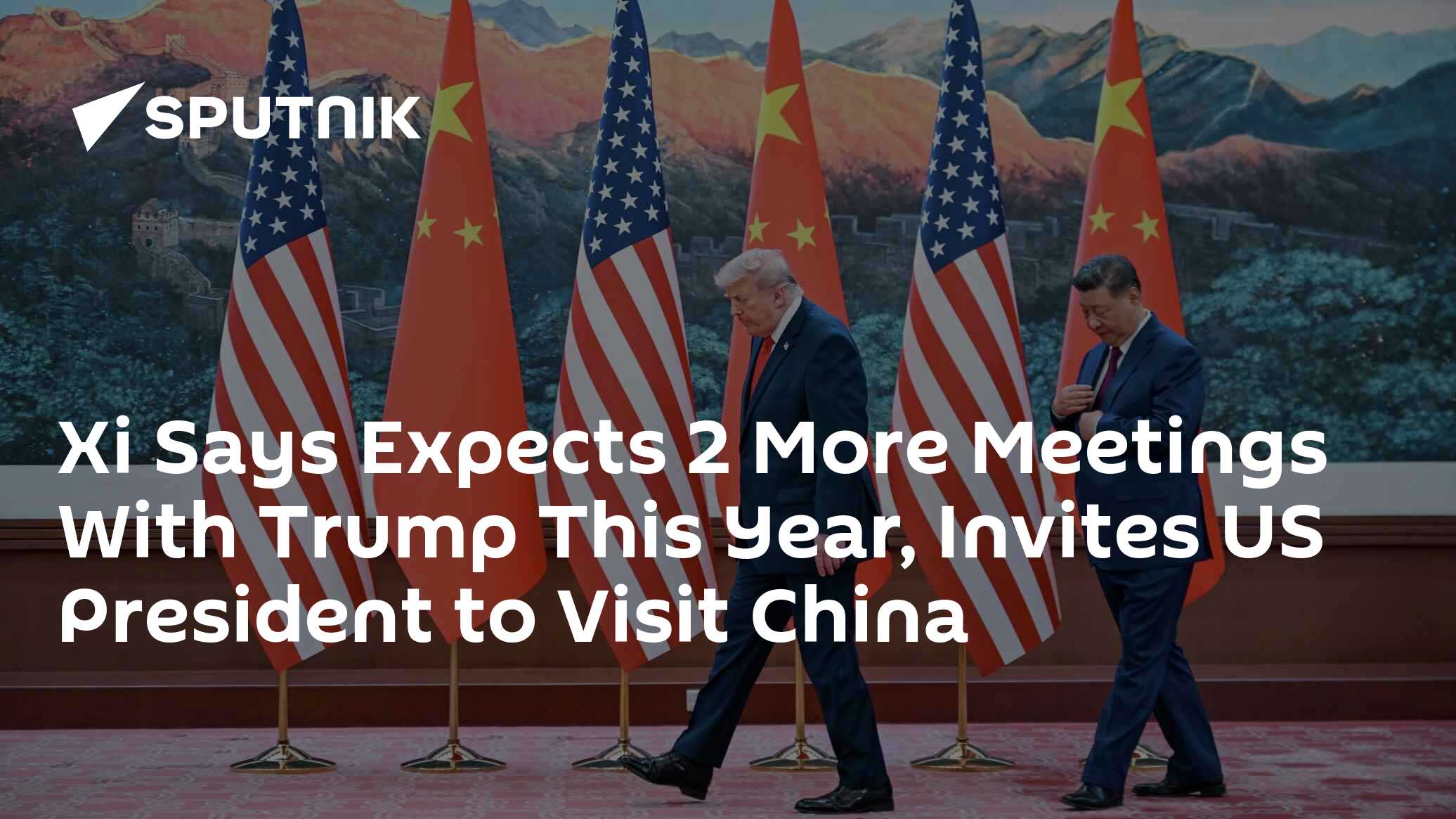
This marked the second in-person meeting between the two presidents this year, following an initial summit in Beijing in May that observers had already labeled the 'stalemate summit' due to limited progress on core disputes between the two powers. The Washington summit was characterized by some commentators as 'diplotainment' — a blend of diplomacy and spectacle in which staging appeared to take precedence over substantive negotiation.
Among the unresolved issues discussed were long-standing trade tensions between the US and China, questions surrounding the regulation of artificial intelligence, and the status of Taiwan. According to reports from Asian media outlets, Taiwan was addressed during the talks, with the two sides reportedly reaching a 'new joint arrangement,' though specific details of this arrangement were not made public.
On artificial intelligence, the two leaders displayed differing emphases. Trump referenced China only once by name during his address to the UN General Assembly, signaling a relatively low-key approach to the technological rivalry, while Xi stressed that AI technology should remain under human control — a position suggesting divergent views on how the technology's development and deployment should be governed.
A notable detail to emerge from the summit concerns Iran. US Ambassador to China David Perdue told CNBC that Trump made clear to Xi, during candid discussions at the White House, that Chinese assistance to Iran was unacceptable from the US perspective. Further details about potential consequences of this statement, or China's response to it, were not disclosed.
Xi announced he expects to meet Trump twice more this year, at the upcoming APEC and G20 summits, and extended an invitation for Trump and his wife to visit China for the APEC gathering. Trump, for his part, expressed optimism following the talks, predicting 'tremendous' developments as a result of the meeting, though he did not specify concrete outcomes or timelines.
Chinese state media outlets and business representatives based in China expressed hope that the summit could help ease existing trade tensions. Chinese-American community voices were also portrayed in Chinese state media as supportive of Xi's visit. This framing contrasts with more critical assessments from Western media regarding the lack of tangible progress.
Journalists and analysts from Western outlets, including the UK's Guardian and Germany's Deutsche Welle, suggested that the absence of firm agreements could represent a strategic advantage for Beijing. The reasoning offered is that maintaining the current status quo — without new US concessions but also without new sanctions or escalation — may benefit China more than an open confrontation would. Former US Ambassador to China Nicholas Burns offered a cautious assessment to NPR regarding what the visit had actually accomplished.
Whether the summit will lead to concrete agreements on trade or technology issues in the longer term remains uncertain. The additional meetings planned for later this year at the APEC and G20 summits may offer further opportunities to address the currently unresolved disputes between the two nations.
Fast take
Chinese President Xi Jinping concluded a three-day state visit to Washington on Friday, meeting with US President Donald Trump in a summit that several international observers described as heavy on ceremony but light on concrete outcomes regarding the two countries' major points of contention.
NOFRAME signal
Medium divergence · 11 Sources · 5 Regions
What remains open
Coverage is not fully split, but it is not identical either. That makes the comparison useful: the fact base shows the common core, while the perspectives show where political, regional, or institutional priorities change the emphasis.
Dossier compass
Which media spaces carry the story and how broad the source base is.
Source mix
Underlit angles
- Trade issues and economic outcomes of the summit
- Taiwan-related discussions
- AI regulation questions
Open originals
Go straight to the linked articles. NOFRAME does not replace those sources.
Why it matters
Coverage is not fully split, but it is not identical either. That makes the comparison useful: the fact base shows the common core, while the perspectives show where political, regional, or institutional priorities change the emphasis.
Timeline
Sputnik · September 25, 2026 at 05:54 PM
Xi Says Expects 2 More Meetings With Trump This Year, Invites US President to Visit China
Nikkei Asia · September 25, 2026 at 06:03 PM
Trump-Xi summit live: Chinese leader says bilateral ties will be 'brighter'
Nikkei Asia · September 25, 2026 at 06:03 PM
US, Japan finance chiefs discuss yen after Trump raises concerns in summit
Nikkei Asia · September 25, 2026 at 06:03 PM
Through the lens: Trump-Xi summit