The US Senate advanced a resolution on Tuesday aimed at limiting President Donald Trump's authority to continue military operations against Iran. The measure represents a rare bipartisan rebuke of the Republican president and would require Trump to obtain Congressional authorization to continue the Iran conflict. Four Republican senators voted with nearly all Democrats to advance the resolution, marking a symbolic victory for the opposition.
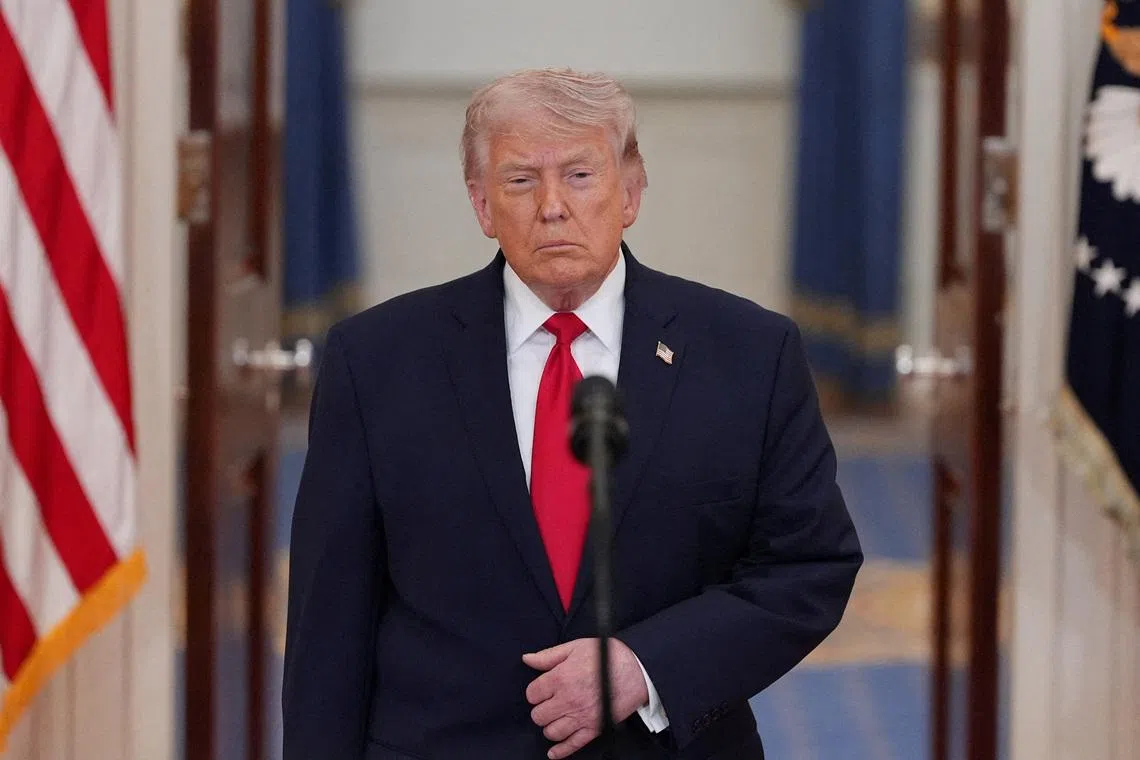
Notably, Republican Senator Bill Cassidy voted with Democrats on this issue for the first time, joining the Republican defectors. This demonstrates a growing number of Republicans who are questioning Trump's Iran policy. The resolution comes amid mounting concerns over the conflict's spiraling costs and unclear trajectory.
This marks the eighth attempt by Democrats to force such a vote since military hostilities began. Senate Majority Leader Chuck Schumer had announced his party's repeated efforts, emphasizing that Democrats are pushing to withdraw US troops from hostilities involving Iran. Schumer called on Republican senators to support the measure and "end the war."
According to multiple sources, US and Israeli forces began striking Iran approximately 80 days ago, with Trump reportedly ordering the attack on Iran at the end of February. However, the exact circumstances and scope of the military operations remain unclear in available reports. The resolution aims to end these operations unless the president receives explicit Congressional approval.
Constitutionally, the power to declare war rests with Congress rather than the president. The War Powers Resolution that Democrats are invoking is intended to enforce this constitutional separation of powers and prevent presidents from conducting extended military conflicts without parliamentary consent. The repeated votes reflect ongoing tensions between the legislative and executive branches over war-making authority.
The bipartisan support for the resolution indicates growing concerns even within the Republican Party. That four Republicans were willing to vote against their party president's position is noteworthy and could signal a shift in political dynamics. Cassidy's switch is particularly significant as he had previously supported the Republican line on similar votes.
Analysts describe Trump as being in a strategic gridlock regarding Iran policy. Reports suggest that regional actors, particularly Gulf powers, may also be playing a role behind the scenes. Trump's stance toward Iran is described as shifting, leading to uncertainties about the US long-term strategy in the region.
However, the Senate's advancement of the resolution does not mark the end of the legislative process. It remains to be seen whether the measure will also pass the House of Representatives and whether it will ultimately receive enough support to override a potential presidential veto. The political implications of the vote could already be affecting further warfare and inter-branch relations.
The resolution also raises questions about the costs and strategic objectives of the Iran conflict. While military details remain largely unclear, political pressure on the Trump administration appears to be growing to reconsider its Iran policy and give Congress more say in military decisions. The repeated Democratic efforts since the conflict began highlight the sustained opposition to the administration's approach.
The constitutional framework underlying this dispute centers on the balance of war powers between Congress and the presidency. The War Powers Resolution mechanism allows lawmakers to force votes on military engagements, even when the executive branch prefers to maintain operational flexibility. This institutional tension has been a recurring theme in American foreign policy across multiple administrations.
The involvement of Israeli forces in the operations, as mentioned in reports, adds another layer of complexity to the situation. The coordination between US and Israeli military actions raises questions about alliance obligations and the extent of American commitments in the region. However, specific details about this cooperation remain limited in public reporting.
Fast take
The US Senate advanced a resolution on Tuesday aimed at limiting President Donald Trump's authority to continue military operations against Iran.
NOFRAME signal
Medium divergence · 7 Sources · 5 Regions
What remains open
Coverage is not fully split, but it is not identical either. That makes the comparison useful: the fact base shows the common core, while the perspectives show where political, regional, or institutional priorities change the emphasis.
Dossier compass
Which media spaces carry the story and how broad the source base is.
Source mix
Underlit angles
- Details about military operations
- Specific costs of the conflict
- Role of regional actors
Open originals
Go straight to the linked articles. NOFRAME does not replace those sources.
Why it matters
Coverage is not fully split, but it is not identical either. That makes the comparison useful: the fact base shows the common core, while the perspectives show where political, regional, or institutional priorities change the emphasis.
Timeline
CBS News · May 19, 2026 at 10:30 PM
Senate advances resolution to limit Trump's Iran war powers for first time
Straits Times · May 19, 2026 at 10:49 PM
US Senate advances measure curbing Trump's Iran war powers
RT · May 19, 2026 at 11:22 PM
Senate advances bill to limit Trump’s Iran war powers
The Independent · May 19, 2026 at 11:40 PM
Senate advances measure to end Iran war as Bill Cassidy flips vote