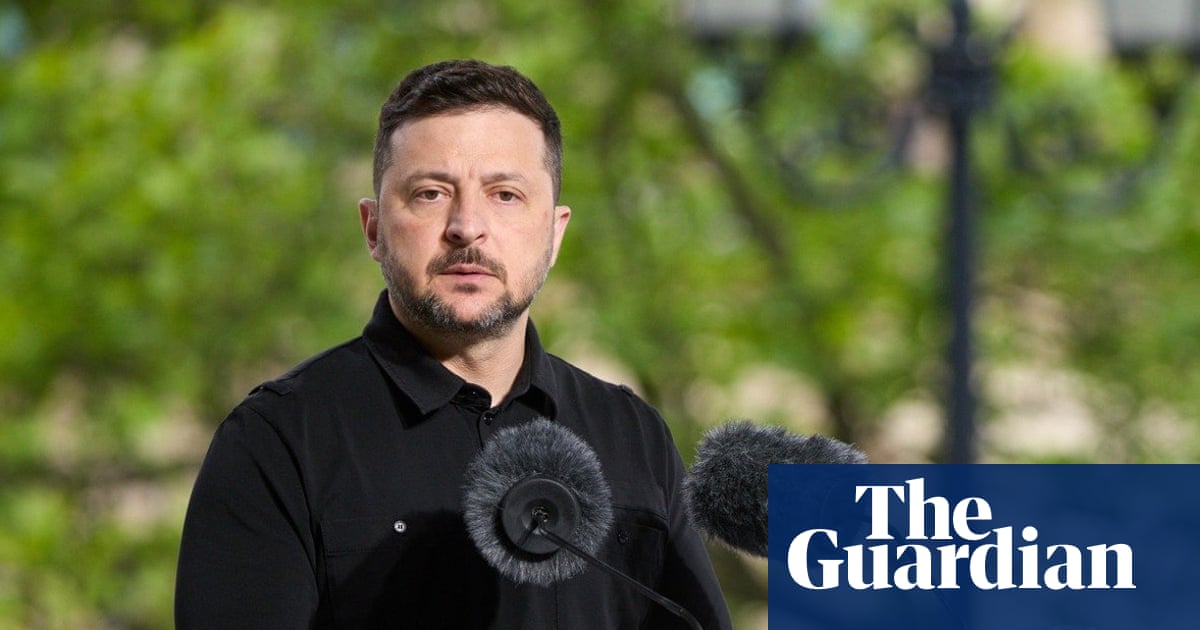
Ukrainian President Volodymyr Zelenskyy has proposed direct peace negotiations with Russian President Vladimir Putin in an open letter calling for an end to the war. This marks the first public letter that Zelenskyy has addressed directly to Putin since Russia launched its full-scale invasion in February 2022. The letter combines sharp criticism of Putin's 26-year rule with a concrete proposal for personal talks in a neutral third country.
Ukrainian Foreign Minister Andriy Sybiha confirmed that the letter will be transmitted to Moscow through official diplomatic channels. In the correspondence, Zelenskyy suggests that only direct engagement between the two countries could end the war. Turkey has been mentioned as a possible neutral venue for such talks, given its previous role as a mediator between both sides during earlier phases of the conflict.
According to reports from Western media outlets, the letter contains personal attacks on Putin alongside the peace proposal. Zelenskyy allegedly wrote that after 26 years in power, age is beginning to take its toll on the Russian leader. The Ukrainian president also reportedly bragged about recent strikes on St. Petersburg. This confrontational rhetoric stands in stark contrast to the simultaneous offer for peace negotiations.
Moscow's response has been mixed. The Kremlin stated that Putin had not yet seen the letter but added that Zelenskyy could meet Putin in Moscow "any time." This response suggests Russia might be open to talks, but only under Russian conditions and on Russian territory. Putin has previously stated he would only meet Zelenskyy to finalize an already agreed deal, rejecting calls for preliminary negotiations.
The timing of Zelenskyy's initiative is noteworthy. Various observers suggest that US attention is currently largely focused on tensions with Iran, potentially creating space for direct talks between Kyiv and Moscow. This could be a strategic consideration behind Zelenskyy's public appeal, given Ukraine's traditional reliance on American support in the conflict.
Zelenskyy had previously emphasized the importance of European participation in peace negotiations and called for effective formats for such involvement. Turkey, mentioned as a possible host, had already undertaken mediation efforts in the early months of the war, facilitating talks between Ukrainian and Russian delegations in Istanbul.
However, the positions of both sides remain far apart. While Zelenskyy proposes direct negotiations in a neutral country, Moscow insists that such meetings should only take place in Russia. Putin has repeatedly stated that he is only prepared to sign already negotiated agreements, not to conduct new negotiations. This stance suggests Russia continues to hope for Ukrainian capitulation rather than genuine compromise.
The international community is watching this development with interest, as it represents the first direct public communication attempt between both presidents since the war began. However, prospects for success remain unclear given the hardened positions and differing views on the format and conditions for such talks.
The letter's content reveals the complexity of the current situation. Reports indicate that Zelenskyy's message was both an appeal for peace and a demonstration of Ukrainian resolve. By publicly addressing Putin while simultaneously criticizing his leadership and highlighting Ukrainian military capabilities, Zelenskyy appears to be attempting to negotiate from a position of strength rather than weakness.
Previous diplomatic efforts have yielded limited results. Early in the conflict, there were several rounds of negotiations, including talks in Belarus and Turkey, but these failed to produce lasting agreements. The current initiative differs in that it represents a direct, public appeal from one leader to another, potentially raising the stakes for both sides.
Experts view Zelenskyy's letter as both a diplomatic attempt and a tool for public communication. By publishing it as an open letter, the Ukrainian president makes his willingness for peace publicly visible while simultaneously increasing pressure on Putin to respond to the offer. The letter also serves to demonstrate to international partners that Ukraine remains committed to seeking diplomatic solutions alongside its military efforts.
Whether this strategy will lead to actual negotiations remains to be seen. The fundamental disagreements over territorial integrity, security guarantees, and the future status of occupied regions continue to present significant obstacles to any potential peace process.
Fast take
Ukrainian President Volodymyr Zelenskyy has proposed direct peace negotiations with Russian President Vladimir Putin in an open letter calling for an end to the war.
NOFRAME signal
Medium divergence · 12 Sources · 5 Regions
What remains open
Coverage is not fully split, but it is not identical either. That makes the comparison useful: the fact base shows the common core, while the perspectives show where political, regional, or institutional priorities change the emphasis.
Dossier compass
Which media spaces carry the story and how broad the source base is.
Source mix
Underlit angles
- Details about Putin's previous conditions for meetings
- Specific military developments
- Criticism of Putin's tenure in the letter
Open originals
Go straight to the linked articles. NOFRAME does not replace those sources.
Why it matters
Coverage is not fully split, but it is not identical either. That makes the comparison useful: the fact base shows the common core, while the perspectives show where political, regional, or institutional priorities change the emphasis.
Timeline
The Guardian · June 4, 2026 at 10:30 PM
Zelenskyy calls for face-to-face Ukraine war negotiations in letter to Putin
The Hindu · June 4, 2026 at 11:02 PM
In open letter to Putin, Zelenskyy calls for meeting and ceasefire
BBC World · June 4, 2026 at 11:32 PM
Zelensky proposes face-to-face talks in open letter to Putin
NY Times World · June 4, 2026 at 11:34 PM
Zelensky Mixes Taunts and Peace Talks Offer in Letter to Putin